Being at sound| Resonances art-science
The sixth resonance axis
As part of the ‘Résonances art-science’ project, following on from ‘Being at the cosmos’, ‘Being at the virtual’, ‘Being at nature’, ‘Being at the body’ and ‘Being at the breath’, this sixth axis explores the many dimensions of sound through a collaboration with the Laboratoire de Physique des Solides (LPS), the Laboratoire Interdisciplinaire des Sciences du Numérique (LISN), the Département de Musique et Arts du spectacle at the Université d'Évry and the Conservatoire à Rayonnement départemental Paris-Saclay.
For each resonance axis, we envisage:
- exhibitions in the laboratories involved and at our cultural and scientific partners’ venues;
- art-science cafés to meet the staff of the various laboratories;
- coupling days (presentations of art-science projects, workshops, round tables, debates), fostering exchanges and collaborations both at Université Paris-Saclay in an academic format and at our partners’ venues in a format open to the general public.
Being at sound
The Being at sound resonance axis runs from October 2026 to December 2026.
From autumn 2026, the laboratories host, over several months and with free access, art-science works and projects to spark curiosity, foster exchanges, stimulate interactions and encourage everyone to take part in the associated events. Several art-science coupling days, open to the Université Paris-Saclay community, to the staff of the laboratories involved and to the general public, are organised around these exhibitions.
- 3 November 2026: art-science café with Olivain Porry (in partnership with SIANA), Philippe Boula de Mareüil and LISN staff
- 4 November 2026: art-science café with Christian Delécluse, Olivain Porry, Wanxin Hu, and staff and students of the Université d'Évry, in partnership with SIANA.
- 19 November 2026: art-science café with Karine Bonneval, Fanny Rybak, Milène Guermont and LPS staff
- 27 November 2026: musical performance by Filippo Fabbri, Javier Muñoz Bravo, Anthony Girod-David and Léna François-Poulet at the Conservatoire à Rayonnement départemental Paris-Saclay
- 1 December 2026: art-science coupling day at LISN and LPS
- 11 December 2026: art-science café with Pierre Couprie, Léa Dedola, Paul Rêve and LISN staff
Being at sound| LPS
As part of the Being at sound resonance axis, LPS is taking part with the exhibition of:
Écouter la terre
[Concept] Karine Bonneval, visual artist, Fanny Rybak, bioacoustician (NeuroPSI)
[Production]: ceramics made with technical support from Charlotte Poulsen
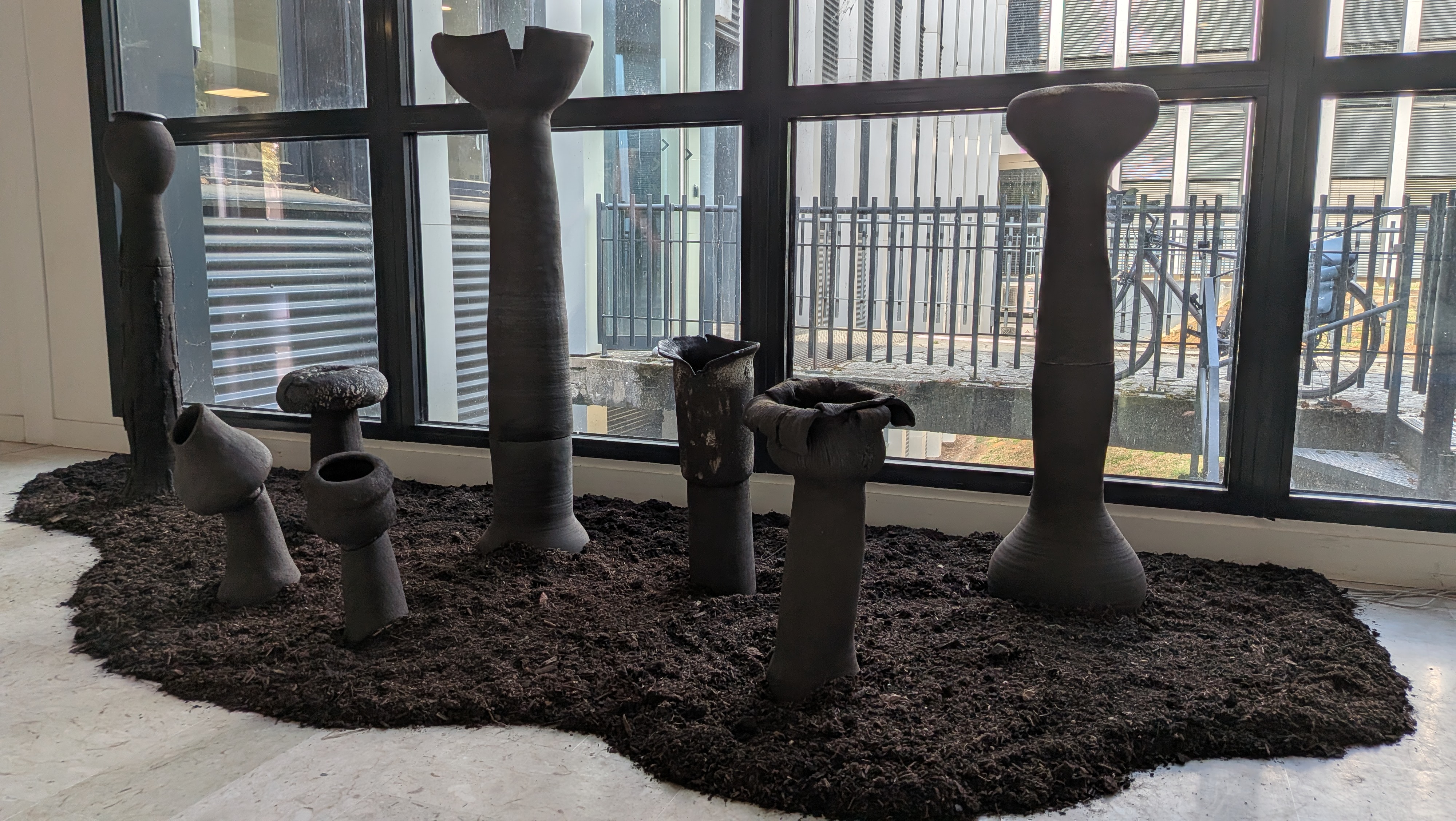
The soil we walk on is a world in itself, complex and alive. Life is in motion; it is noisy. Can we listen to the earth? What sounds might the earth make? The original medium from which life on land emerged, it is a complex alloy of living beings, nutrients and minerals in constant interaction.
We stand upon a complete universe.
Let us take the time to listen to the world of living soils.
Find out more
TONNERRE
[Concept] Milène Guermont
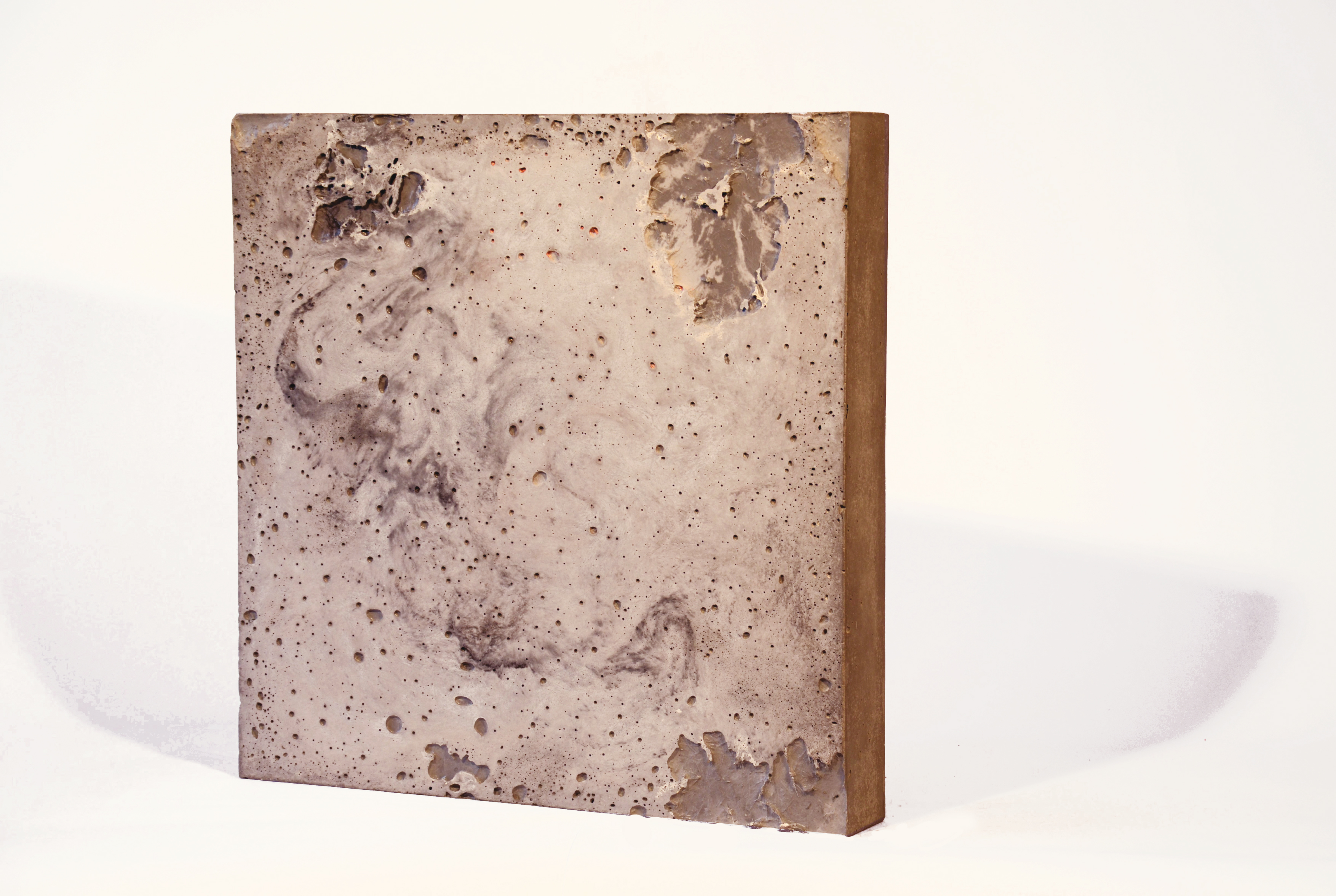
Touch this “mini wall” called TONNERRE (Thunder) and it will emit sounds from the sky and from space depending on your magnetic field.
Museums invariably say: “Do not touch.” French artist Milène Guermont, on the contrary, proclaims: “Please touch”.
She offers the curious hand a direct experience of the passion she puts into each of her works.
Milène Guermont’s dual background in engineering and fine arts provides an ideal platform for developing innovative concepts and materials. Her works in Polysensorial Concrete, for example, are designed to be interactive. Her Crater Concrete sculptures feature a spectacular surface relief, created when the artist works the material as it crystallises. Finally, her Coloured Engravings process makes it possible to write permanently on concrete.
Find out more
Being at sound| LISN
As part of the Being at sound resonance axis, LISN is taking part with the exhibition of:
SENTO n°1
[Concept] Studio Paul & Léa
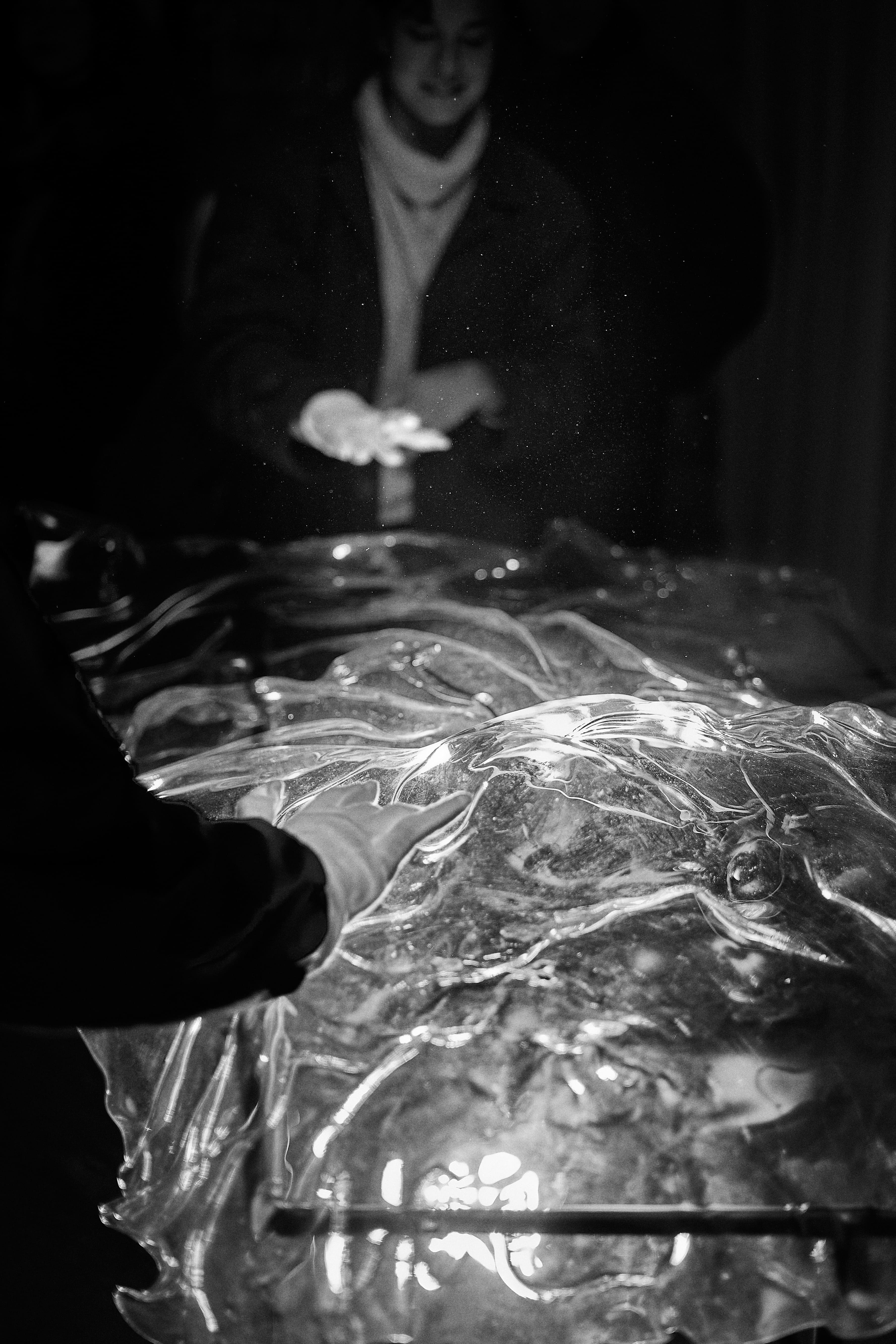
Sento n°1 is an interactive PETG sculpture created by Studio Paul & Léa (Lyon). Born from a reflection on digital intimacies, the work questions consent: through touch, it trains the audience’s sensitivity to perceive, give and respect the signs, however faint, that keep an encounter desired by all parties.
Find out more
De proche en proche
[Concept] Compagnie 20.8 | Nathanaëlle Raboisson, Paolo Castrini and Pierre Couprie
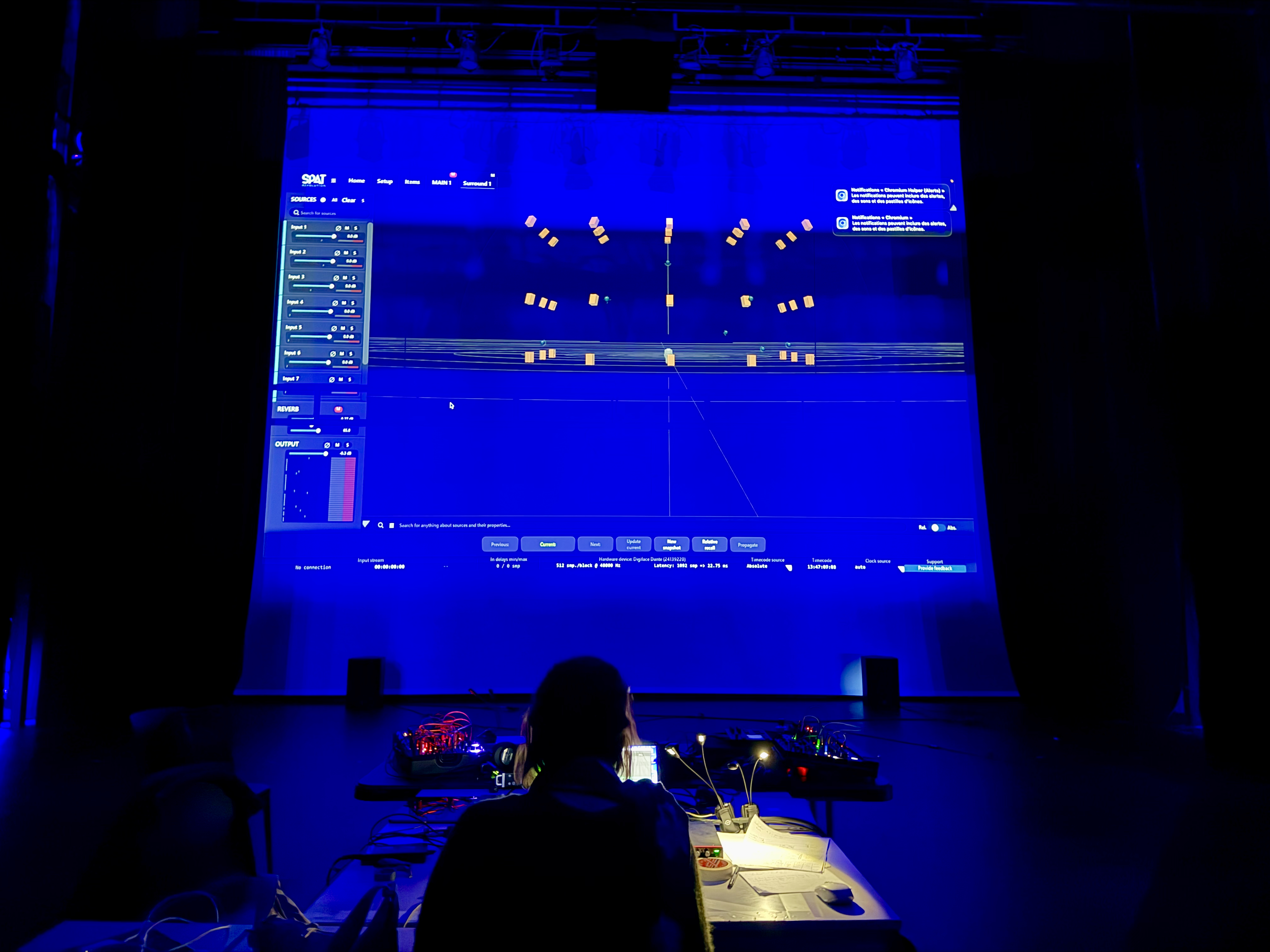
Music takes shape in the moment, through the gestures and listening of three artists. Sounds meet, extend or branch off; each proposal can open up a new direction. This video invites you into the time of improvisation, to follow a musical form that is invented collectively. Filmed at the Scène de recherche of ENS Paris-Saclay, the performance brings together Nathanaëlle Raboisson, Paolo Castrini and Pierre Couprie, members of Compagnie 20.8. Their practice calls for constant attention to sound materials, to silences and to the initiatives of others. Playing also means waiting, welcoming an unforeseen event, letting a sonic presence unfold.
Being at sound| Département de Musique et Arts du spectacle, Université d'Évry
As part of the Being at sound resonance axis, the Département de Musique et Arts du spectacle of the Université d'Évry is taking part with the exhibition of:
Coulées - dix mille ans de voisinage sonore
[Concept] Christian Delécluse
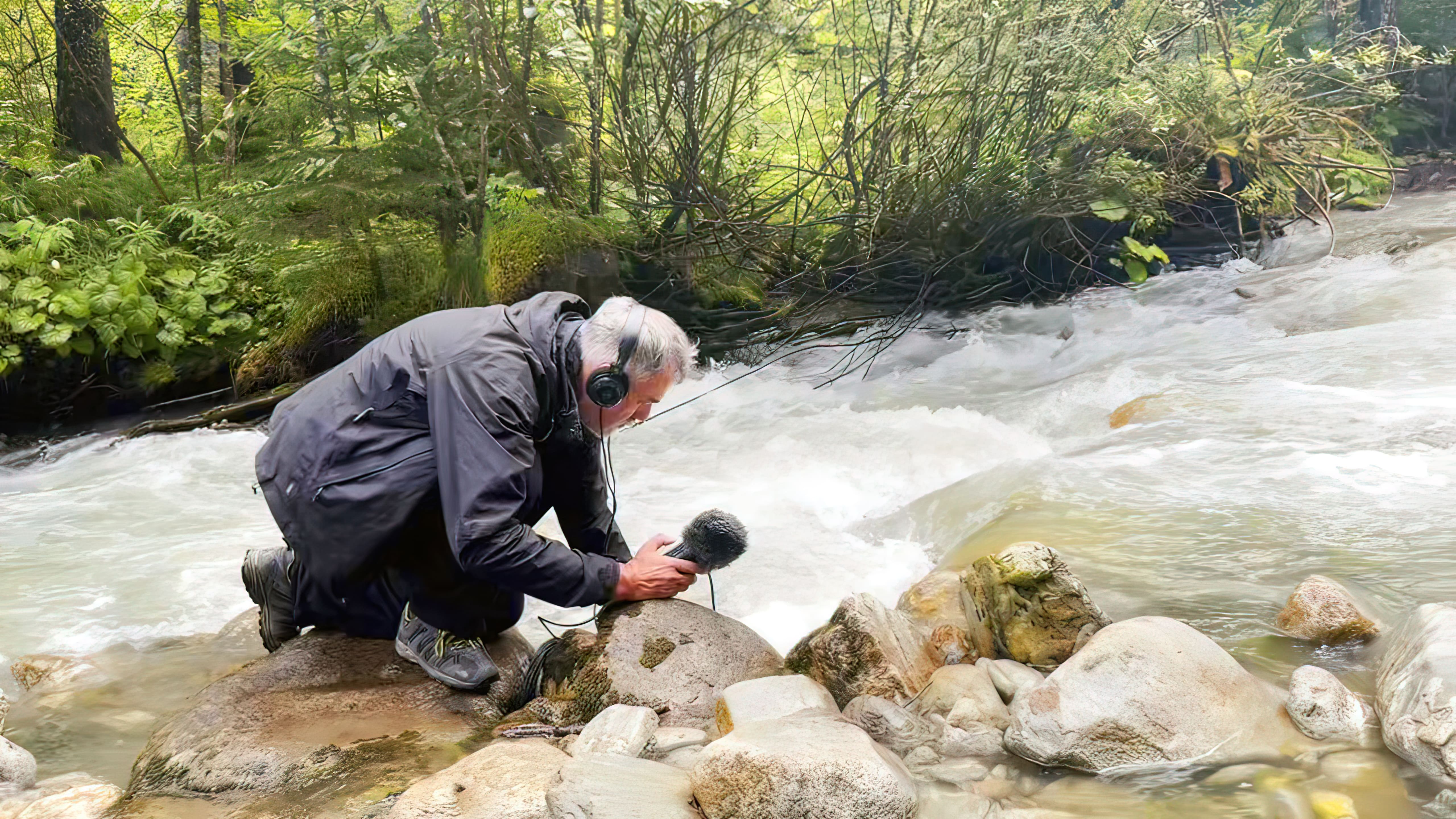
In local dialect, bréda refers to the rumbling of a weaving loom. The Haut Bréda valley thus bears the name of a sound, that of the river running through it. In the mountains, the soundscape does not describe a territory: it names it.
Coulées presents three landscapes shaped by pastoralism: the summer pastures of the Cézallier, the course of the Bréda from its springs to its waterfalls, and the goat-herding slopes of La Gomera, punctuated by whistled silbo calls. For nearly ten thousand years, sound has held a central place in these territories: people listen to follow a herd, to foresee a storm, to talk from one slope to the other.
In this installation, there is nothing to look at. The recordings were made on the move: approaching one source, leaving it for another. Seated, the listener travels with the sound — sometimes very close to a single voice, sometimes far enough away for a whole to emerge that no single voice contains. For these sounds do not play together: each follows its own line, none leads the others. The polyphony is not composed, it happens — as on a mountain pasture, where each bell rings to the rhythm of an animal’s steps, and yet the shepherd recognises the sound of his own flock.
Being at sound| Conservatoire à Rayonnement départemental Paris-Saclay
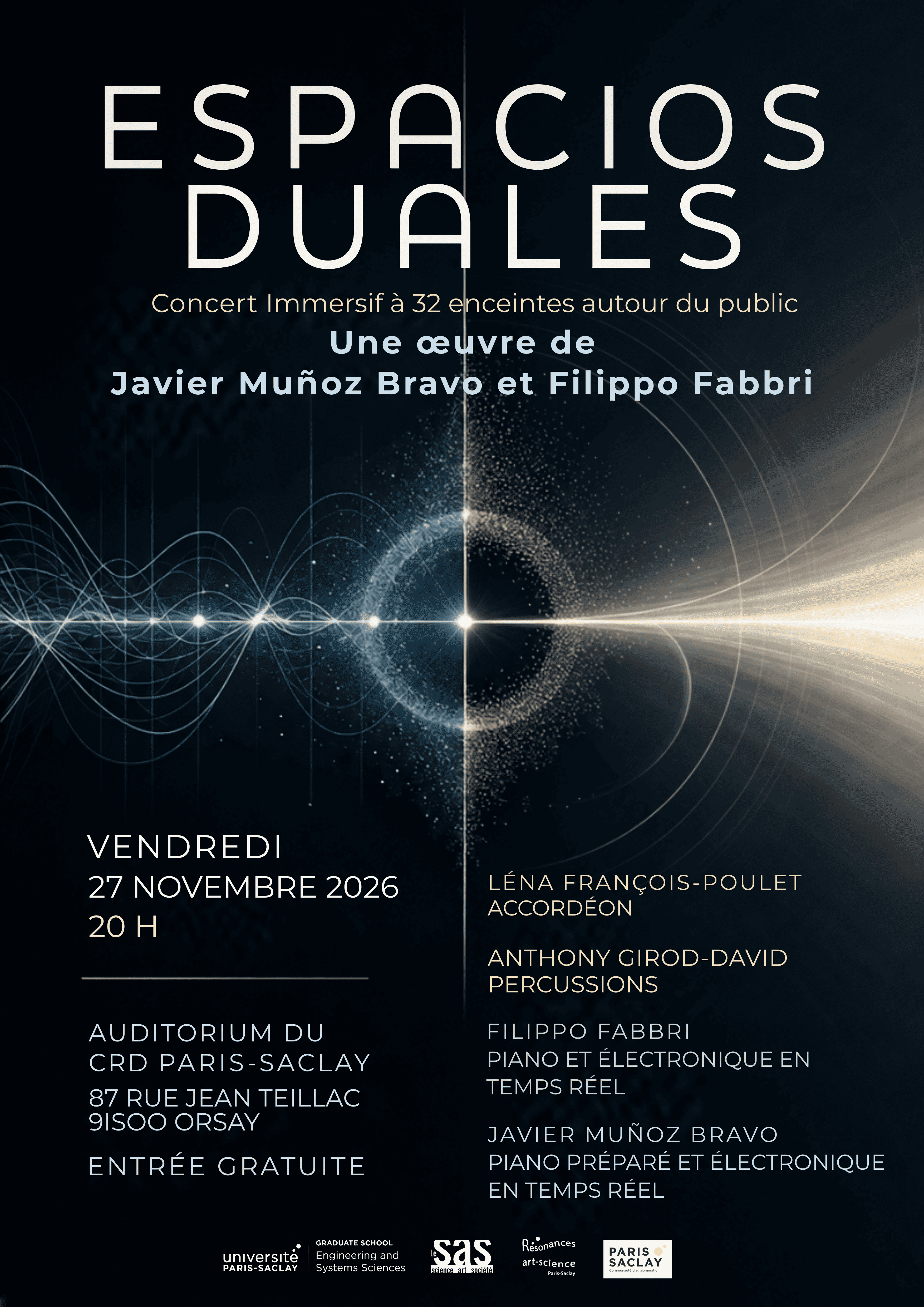
As part of the Being at sound axis, Filippo Fabbri, Javier Muñoz Bravo, Anthony Girod-David and Léna François-Poulet are in residence at the Conservatoire à Rayonnement départemental Paris-Saclay to work on Espacios Duales.
Espacios Duales explores the coexistence of several spaces within a single listening experience. The physical space of bodies and instruments meets that of projected sounds; visible presences extend into geographies beyond the reach of sight. Between wave and particle, sound and light, light and dark, white noise and silence, human and machine, virtual and real, the piece questions the relationships that make these realities both distinct and inseparable.
The residency concludes with a public performance at the Conservatoire à Rayonnement départemental Paris-Saclay on 27 November 2026 at 8 pm.
Find out more about Espacios Duales
Art-science coupling day
Tuesday 1 December 2026, 9:30 am – 7 pm – Free
LISN - Laboratoire Interdisciplinaire des Sciences du Numérique - Campus Universitaire, building 507, Rue du Belvédère, 91400 Orsay | 9:30 am – 1 pm
LPS - Laboratoire de Physique des Solides - 510 Rue André Rivière, 91400 Orsay | 1 pm – 7 pm
The Being at sound art-science coupling day is designed to foster resonances between scientists, artists, and cultural and scientific institutions. The programme of this event is particularly rich.
The aims of the day are to:
Present ongoing work and art-science pieces related to sound
Stimulate debate on art-science research through talks, workshops and discussions
Explore new interdisciplinary approaches
These encounters are an opportunity to bring different perspectives, to experiment and to build new bridges between art and science together, highlighting the diversity of approaches and contributions.
Programme of the day - TBC
Speakers at the 1 December coupling day

Christian Delécluse
Where art, science and the senses meet. For Christian Delécluse, art is a way of exploring the mystery of the living, questioning our certainties and imagining other ways of coexisting with the world. An engineer and architect by training, he seeks to bring reflection and sensory experience closer together. Attentive to the bonds between humans, the technologies they invent and other living beings, he builds “sensitive machines” and soundscapes that make normally invisible forces perceptible. His immersive installations let us feel what it means to belong to an environment: an experience that unsettles our habits of thought, awakens curiosity and wonder, and invites us to look at the world around us with fresh eyes.

Karine Bonneval
Karine Bonneval’s transdisciplinary practice proposes alternative ecologies for breathing, moving and listening with the plant world and its habitats. Drawing on popular and scientific culture, she invites humans into “phytomorphism”, to share time with plants in dialogue with air, soil and gravity. Her walk-in installations invent new uses and broader familiarities with living beings. Her projects grow rhizomatically, involving people from a wide range of fields: science, philosophy, performance, market gardening and gastronomy. With scientist Eric Badel (INRAe PIAF) and Studio Décalé, she won the Fondation Carasso “Composer les savoirs” grant in 2019. She was awarded the Grantham Foundation residency in Canada in 2023 and the Villa Saïgon residency in 2025. She has recently exhibited at the Domaine de Chamarande and the Domaine de Chaumont-sur-Loire.
Nathanaëlle Raboisson
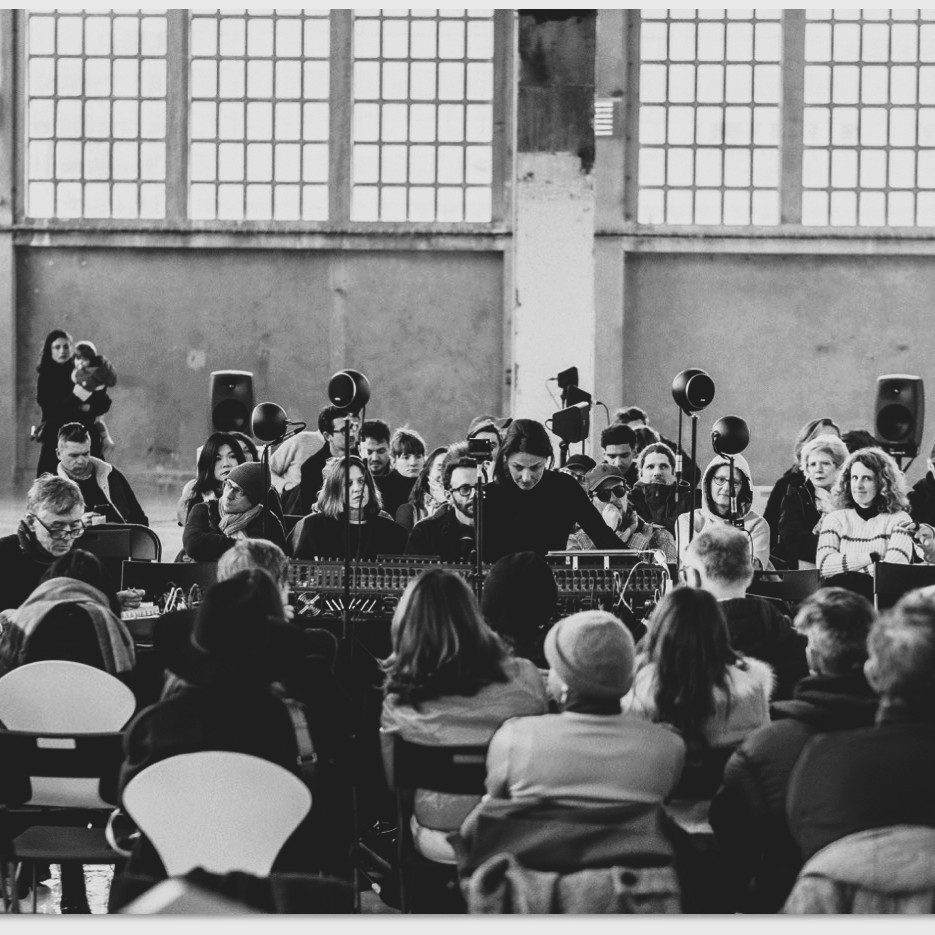
Nathanaëlle Raboisson is a performer of electroacoustic, acousmatic and improvised music. For more than twenty years, she has developed a concert practice on loudspeaker orchestras, notably with the Motus company and the Futura festival. She has performed more than a thousand works and shares her experience of sound spatialisation in masterclasses in France and abroad.
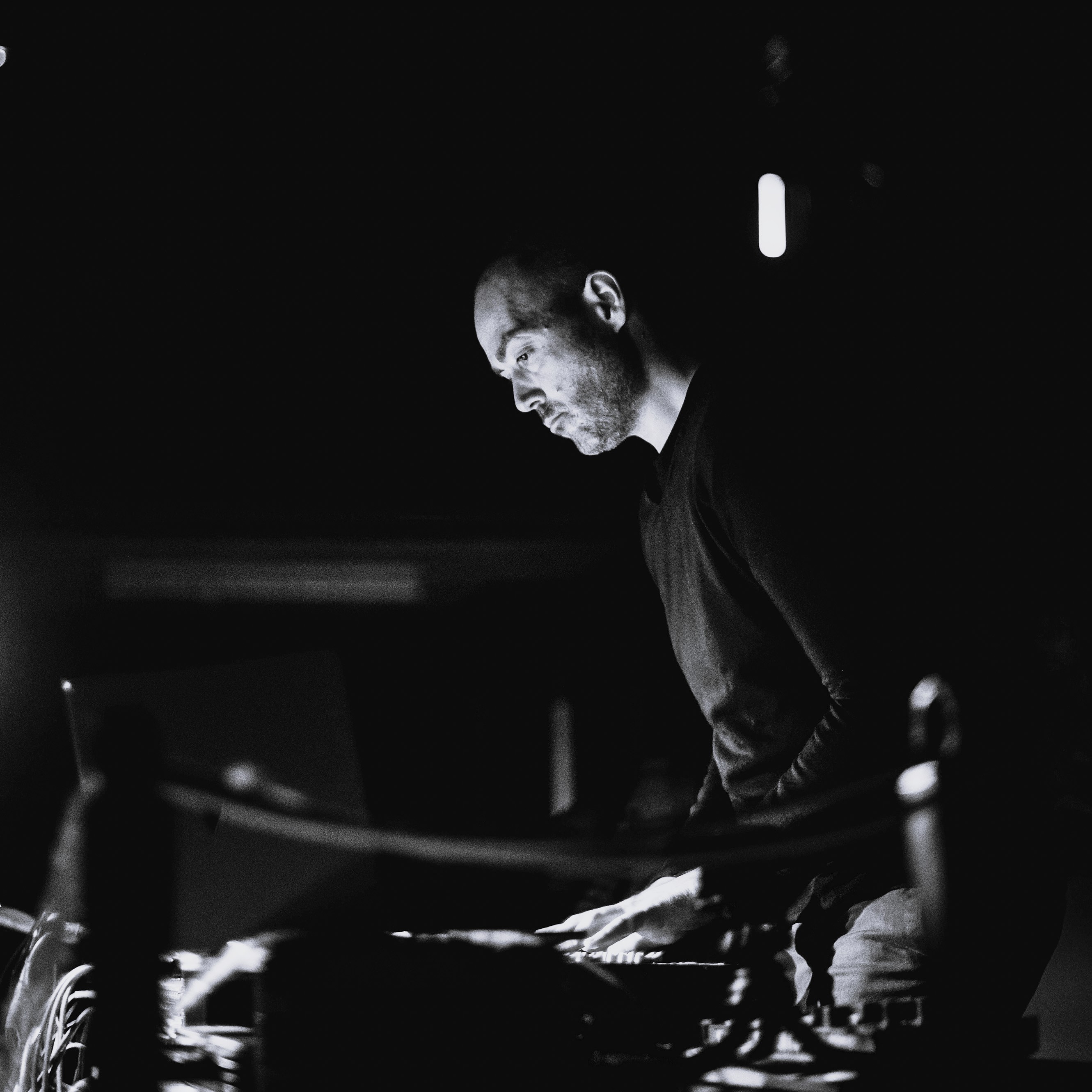
Paolo Castrini
Paolo Castrini is a composer and performer of acousmatic, improvised and electronic music. Trained as a classical pianist, he explored analogue and modular synthesisers before turning to musique concrète. A member of Audior and of the Acousmaki collective, he works with the Motus company and improvises in a trio with Nathanaëlle Raboisson and Pierre Couprie.
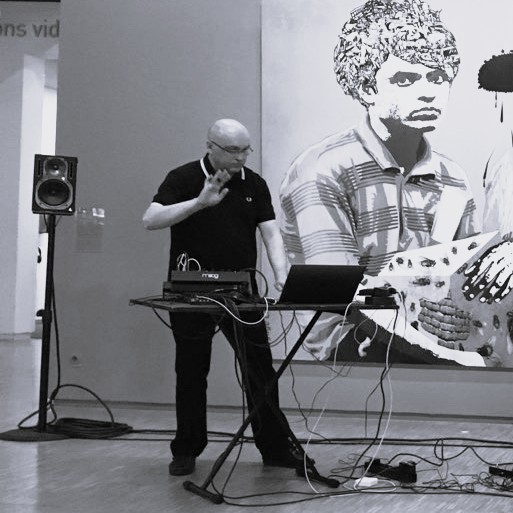
Pierre Couprie
Pierre Couprie is an improvising musician, software developer and professor of musicology at Université Évry Paris-Saclay. His research focuses on electroacoustic improvisation, musicians’ gestures and new instrument making. He designs his own performance tools and has been performing in several ensembles since the late 1990s, exploring the relationships between instrumental gesture, sound invention and collective listening.
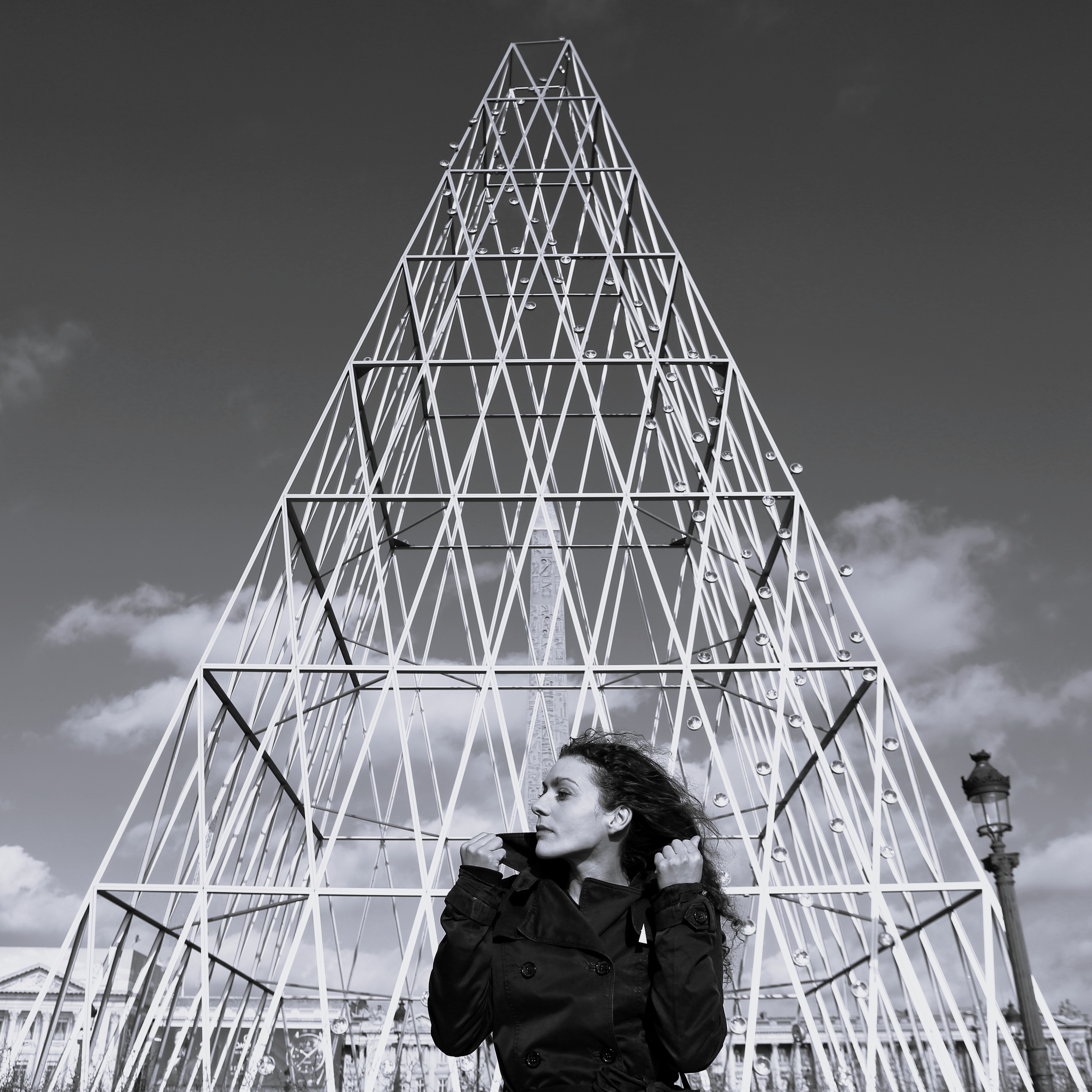
Milène Guermont
Artist-engineer Milène Guermont pushes back the boundaries of art. Her works in Polysensorial Concrete respond to the magnetic field of whoever touches them. BALANCE sparkles at Père Lachaise, PHARES lights up the Place de la Concorde as the Eiffel Tower lights up in unison. 120 talents outdid themselves for the habitable total work of art MAISON GUERMONT, where everything is designed, down to the air you breathe. Recent distinctions: 100 Femmes de Culture, Jusserand Medal in San Francisco, Forbes Woman, Knight of the National Order of Merit (conferred by the Minister for Ecology, with a second speech by the President of the J. Paul Getty Trust).
Latest solo shows: Fondation Louis Vuitton, Grand Palais Immersif, Liberty State Park (in dialogue with the Statue of Liberty).

Ikse Maître
Ikse|Xavier Maître is a physicist and CNRS researcher at the Laboratoire d'Imagerie Biomédicale Multimodale Paris-Saclay (BioMaps, CEA, CNRS, Inserm, Université Paris-Saclay). His early research focused on the foundations of quantum mechanics and on the mechanisms of quantum entanglement and decoherence. Today, he combines atomic physics and medical physics to develop new tools for exploring the human body. He coordinates the European innovation project V|LF-Spiro3D on 3D magnetic resonance spirometry.
Ikse Maître initiated the science-art-society group Le sas , within which he conducts art-science research based on unconstrained human-machine interaction. He develops art-science experiments and draws on shifts in reality to test our relationships with the world and engage the public. He also coordinates the work package on immersive technologies for the European cultural heritage project Artcast4D and studies the keys to immersion in public space at the Forum des Images, through the installation Ariadne’s Fibres.

Fanny Rybak
Fanny Rybak is a lecturer and researcher in the Acoustic Communications team (Paris-Saclay Institute of Neuroscience, Université Paris-Saclay). She teaches animal biology and diversity, field biology and ethology. She is deeply committed to an in situ approach to living organisms, in the field, in both her teaching and her research. She is in charge of preparation for the SVSTU agrégation at Université Paris-Saclay and believes in the fundamental importance, for any society, of training teachers in life and Earth sciences and, more broadly, of passing on knowledge. In her work and the research projects she takes part in, she studies the acoustic signals exchanged in reproductive, territorial and social (group-living) contexts in various species of birds and insects.
Christian Bolzmacher
Christian Bolzmacher received his master’s degrees from the Munich University of Applied Sciences and from EPF-École d'Ingénieurs in micromechatronics and robotics in 2005, and his PhD in 2010 from Saarland University and École Polytechnique in Palaiseau, working on miniaturised piezoelectric actuators for high-speed flow control applications. Since 2010, he has been a research engineer at the Sensorial and Ambient Interfaces Laboratory of CEA LIST. He is technical lead of a thematic group working on smart surfaces and structures for sensorial and ambient interfaces. Over the past 16 years, he has acted as technical contributor and project manager for innovative R&D projects carried out with international academic groups and industrial partners. His research interests cover actuators, sensors based on active materials, and their integration into smart systems based on acoustics and AI for sensorial and ambient interfaces.
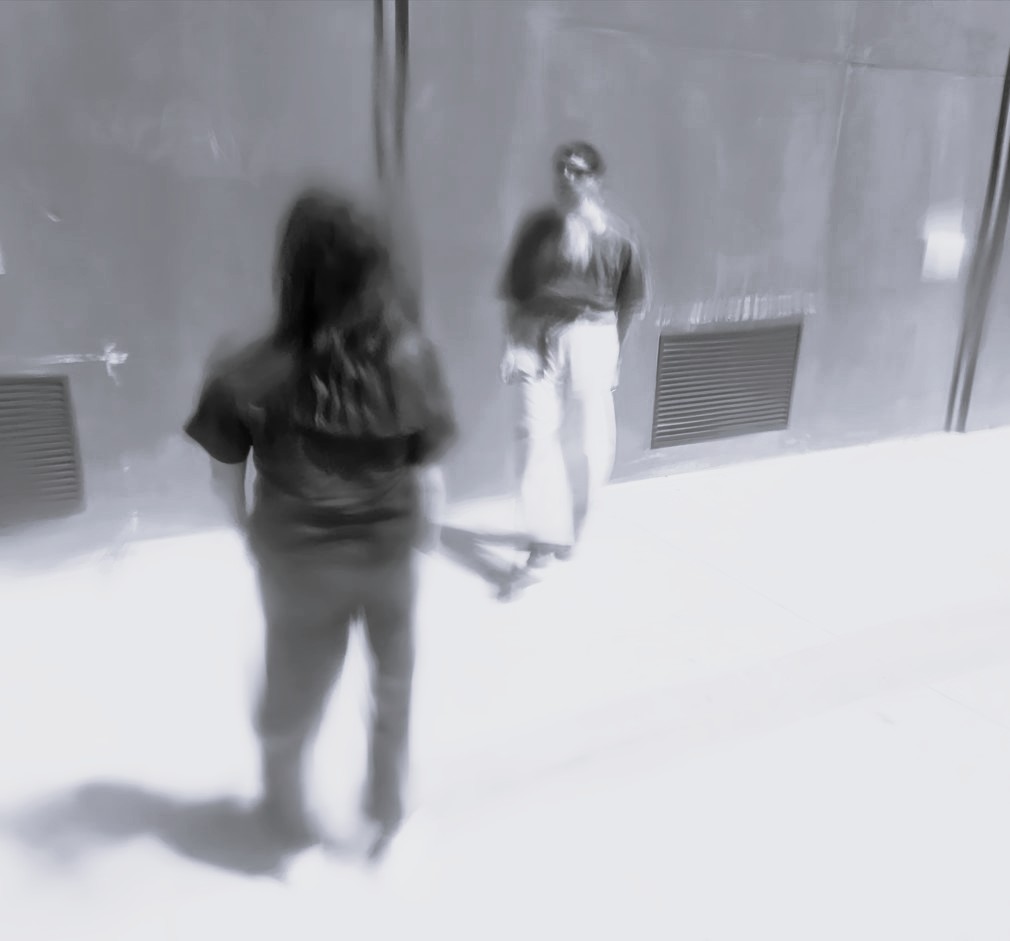
Studio Paul & Léa
Born from the collaboration between Léa Dedola, artist-researcher at Université Lyon 2, and composer Paul Rêve, the art-science studio Paul & Léa explores the fertile crossroads of intimacy, emotions, society and technology through reflexive digital artworks.
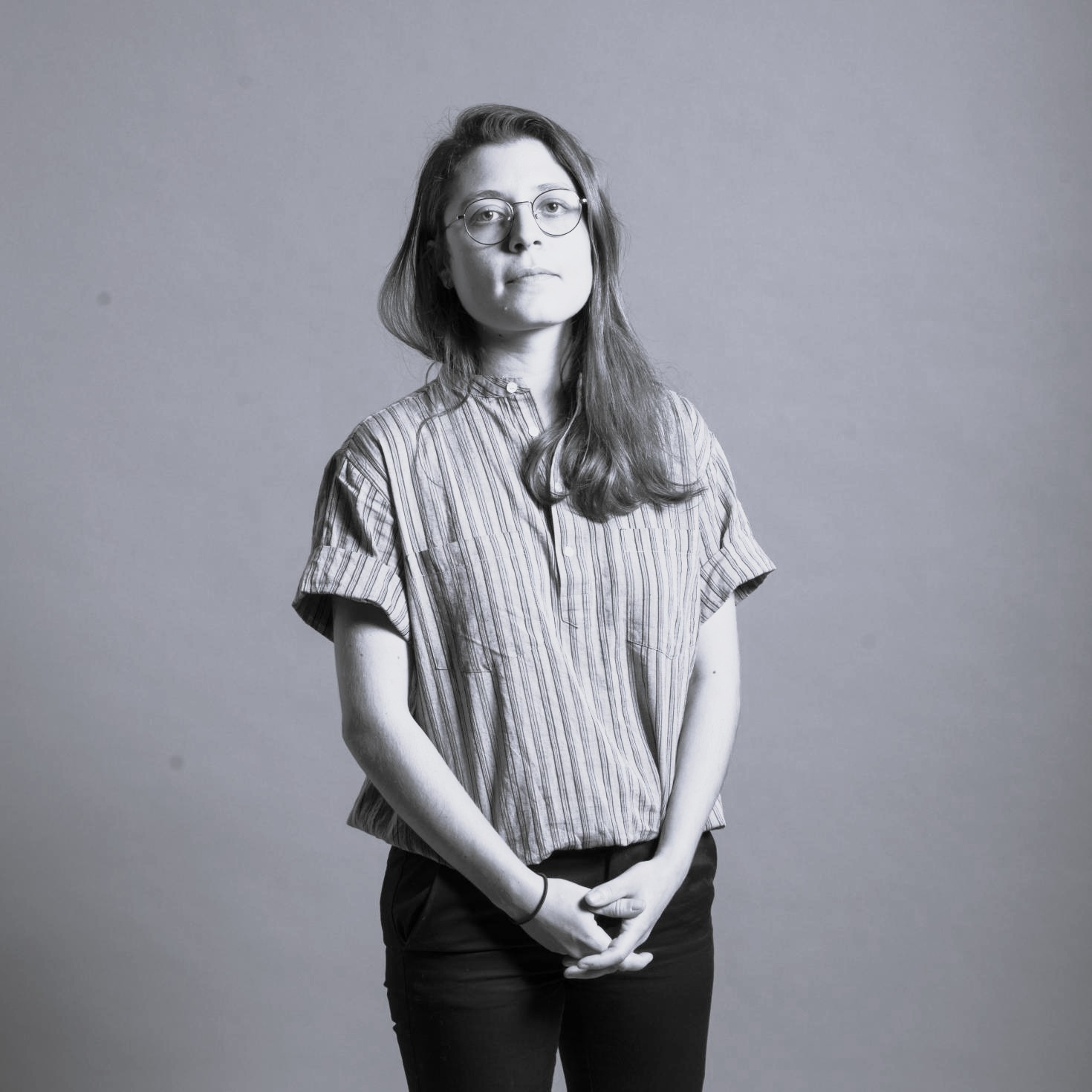
Léa Dedola
An artist with a PhD in audiovisual studies, Léa Dedola specialises in digital intimacies and emotions. Her work probes human subjectivity through the use of emotional interfaces. She is the author of Les émotions dans les créations artistiques (Presses des Mines, 2024), a book on creative processes linked to digital emotions. In 2024, she co-founded the (digital) art and science studio Paul & Léa in Lyon.
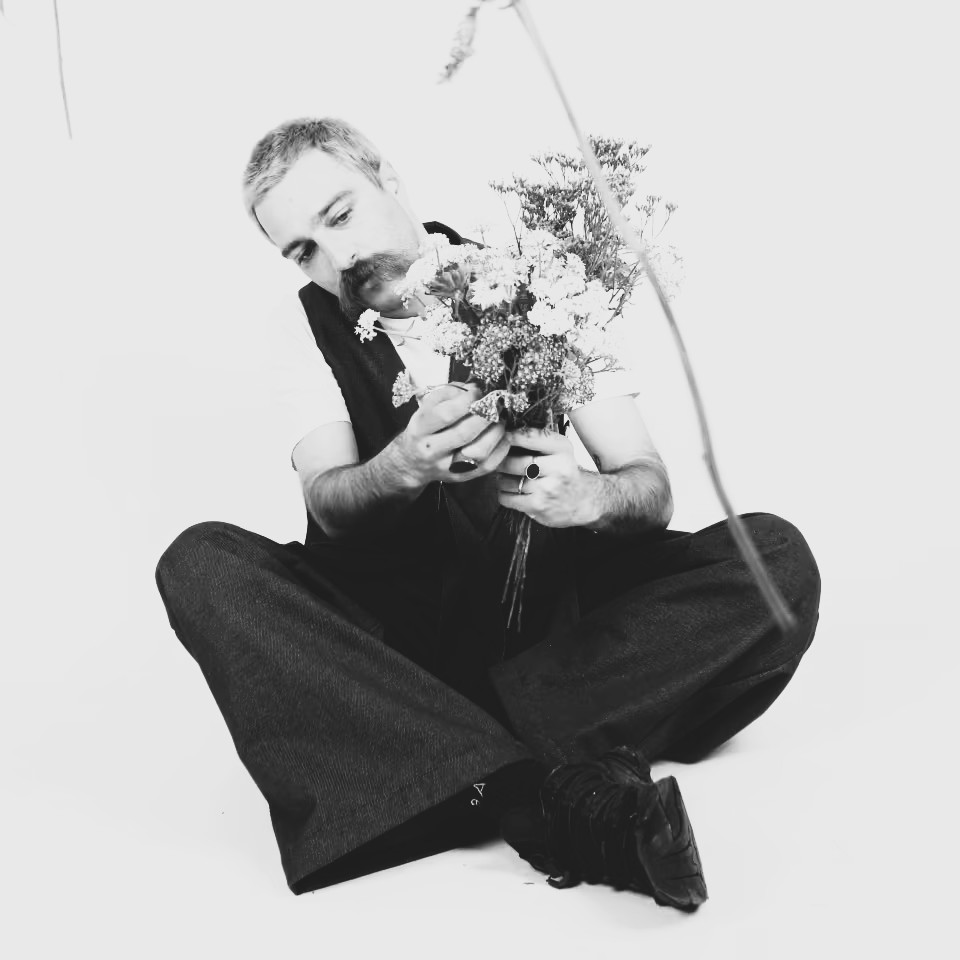
Paul Rêve
Paul Rêve (Paul Fresnel) is a sound and digital artist based in Lyon. He composes electronic music between ambient and dance, released on labels such as Virtual Forest Records, Blue Night Jungle and Melifera, and co-founded the label Polën Records. With Léa Dedola, he co-directs Studio Paul & Léa, which creates immersive and interactive installations, including Sento, around desire and human connection.
Philippe Boula de Mareüil
Coming from natural language processing, and in particular speech synthesis, Philippe Boula de Mareüil is a CNRS research director in linguistics. After a PhD in computer science and three years in the private sector working on the prosody of various languages, he joined LIMSI (now LISN, Université Paris-Saclay) to develop a line of research in spoken corpus linguistics, focusing on variation in spoken language. He has worked mainly on Romance languages: French, Italian, Portuguese and Spanish. For several years he has been studying the most discriminating cues (both prosodic and segmental) in the perceptual and automatic processing of foreign, regional and social accents, as well as of different speaking styles, over time. More recently, the link between accents and regional languages led him to take an interest in the dialects and minority languages of France and then of other countries around the world. His research has led to the development of an online sound atlas aimed at showcasing linguistic diversity.