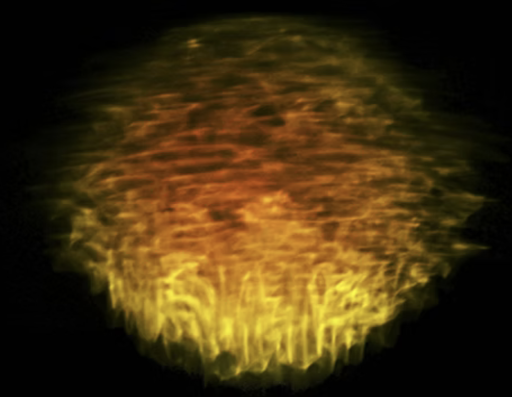
Le Soleil irrésolu - LABOFACTORY
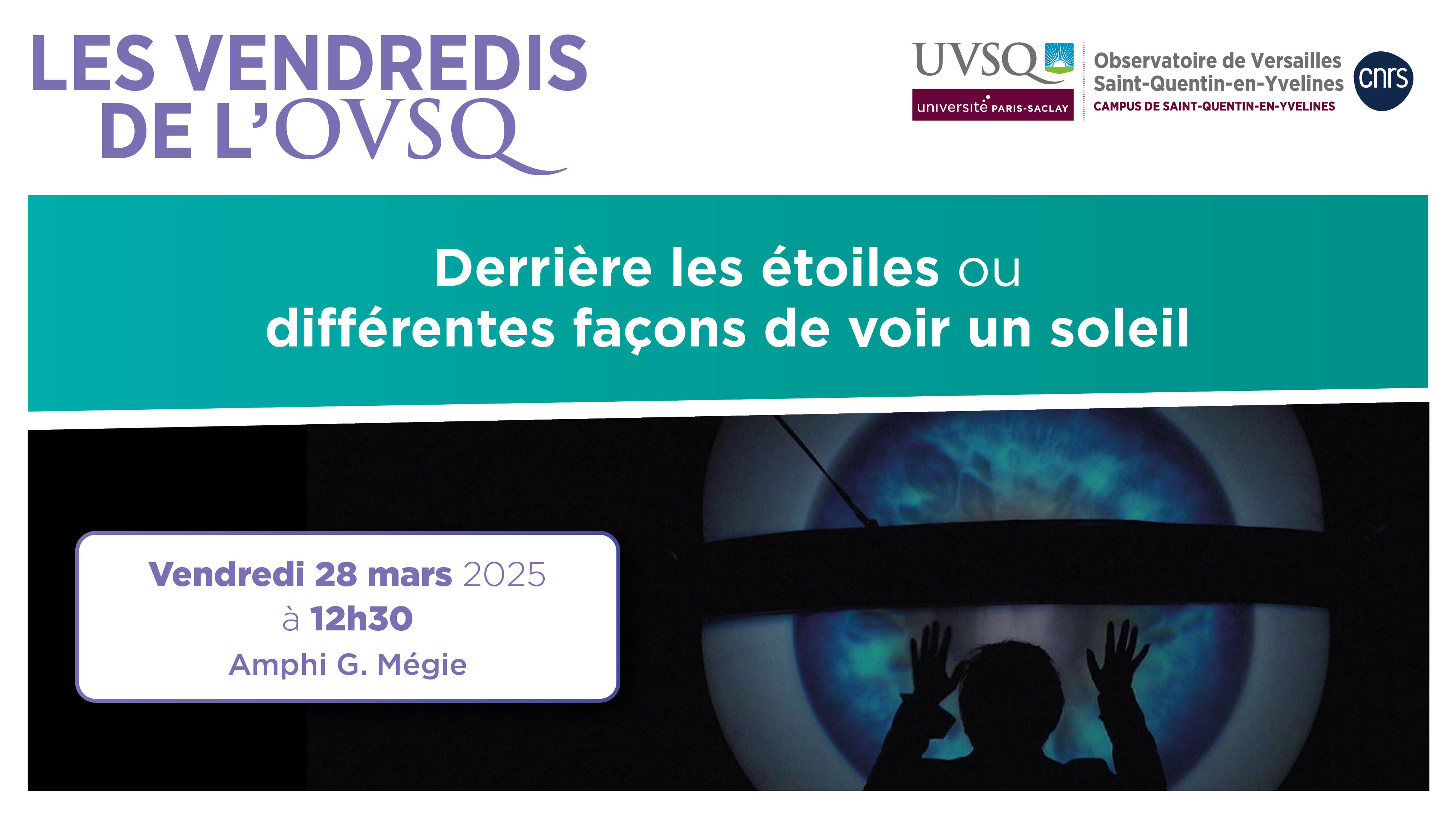
OVSQ Amphi G. Mégie - 11 Boulevard d'Alembert - 78280 Guyancourt
I would like to register for the conference
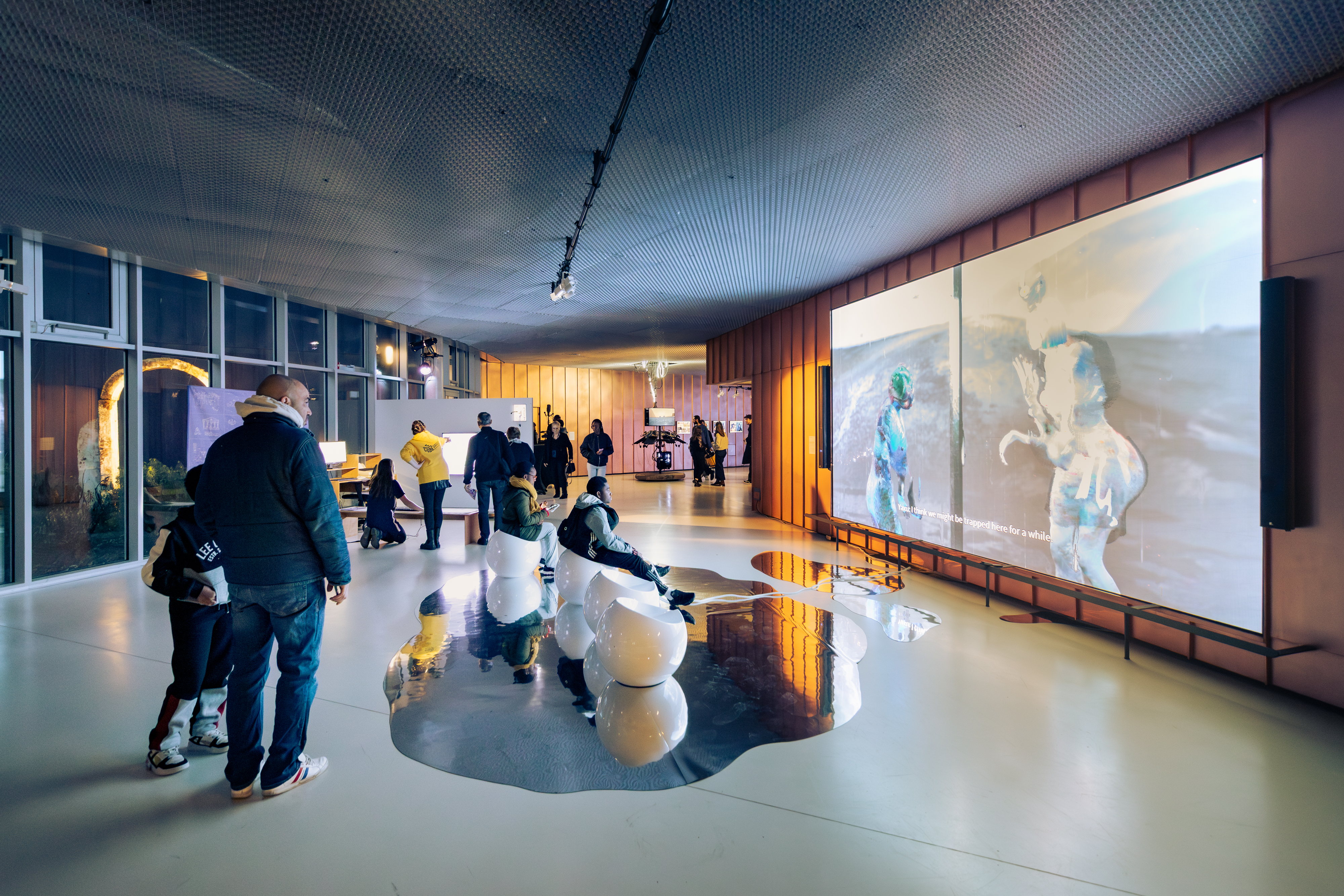
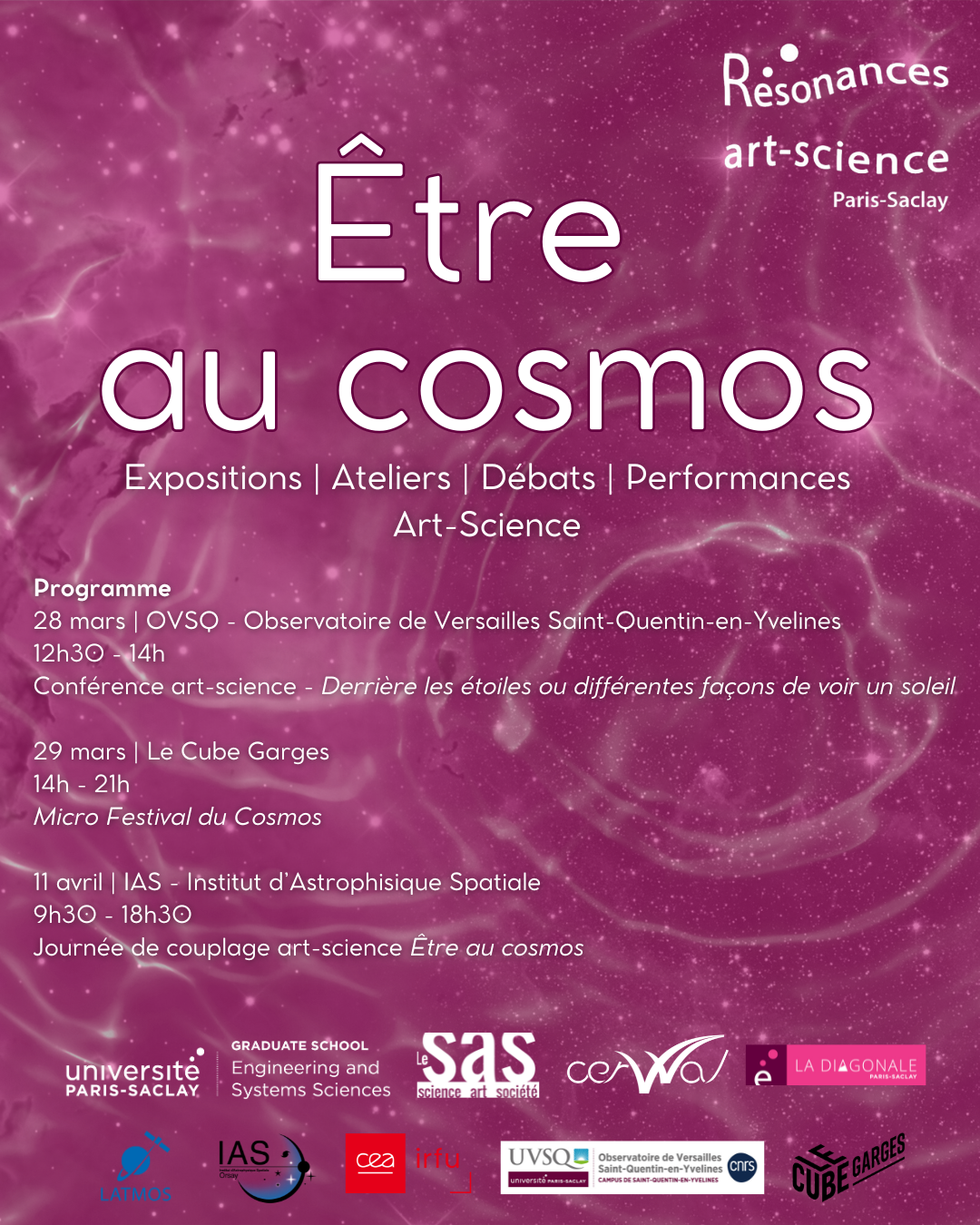
Session Being at the Cosmoc from 6pm to 7.30pm - Free admission
Le Cube Garges - 40 Av. du Général de Gaulle, 95140 Garges-lès-Gonesse
I'm taking part in the Micro-Festival du cosmos!
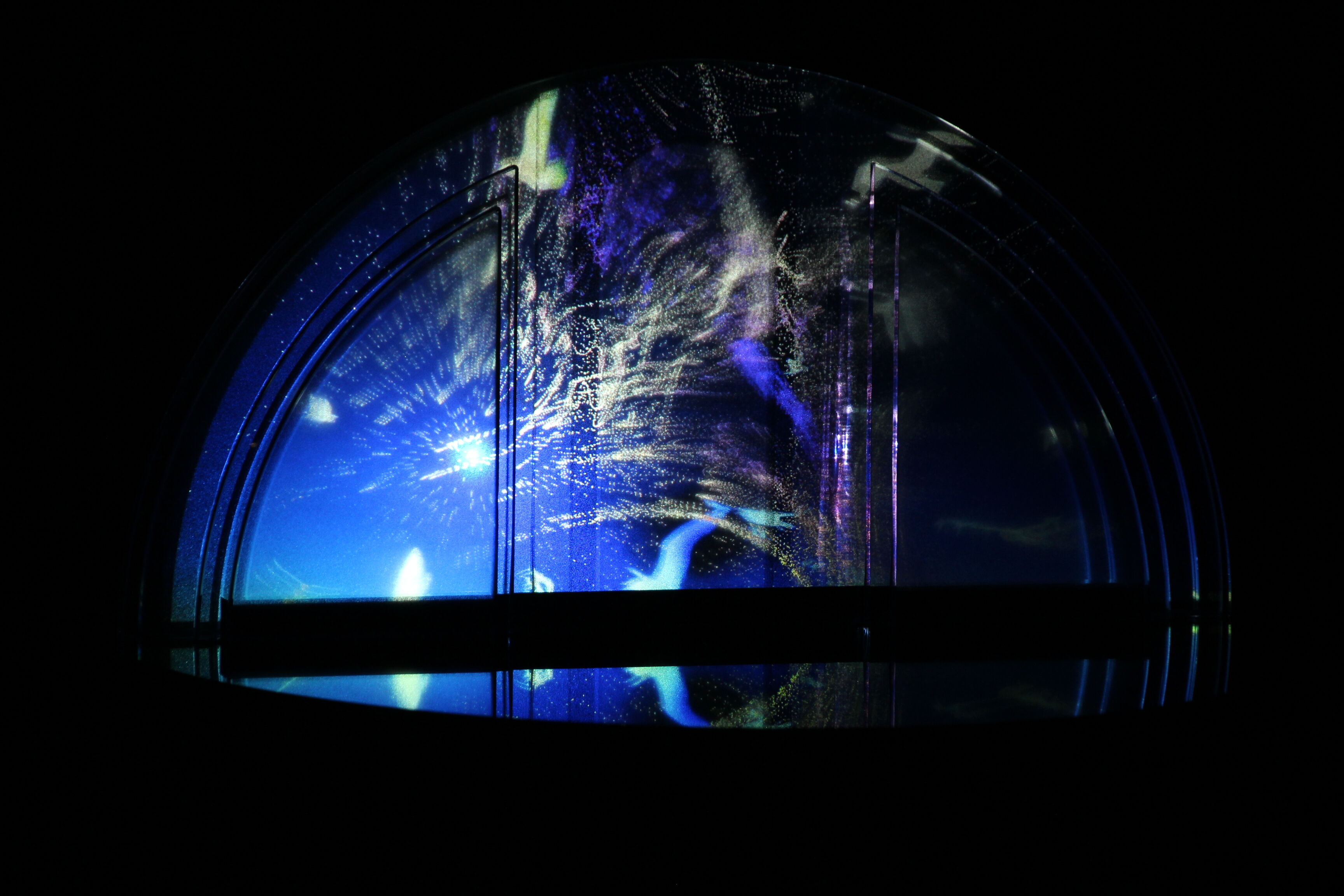
La Course du Soleil - Hugo Verlinde, Florence Tassan Toffola
I'd like to register for the day!
Discussion groups on each work in relation to the art-science behind them
Coffee break|tea
Presentation of the Résonances art-science project. Research, training and culture aspects of a Paris-Saclay Chair in art and science.
Presentation of the works on show, artists‘ and scientists’ points of view
Through examples selected from a body of work by contemporary artists, we will see how real spatial devices have been created, physical spaces of perception, which will lead us to develop and characterise these interfaces between art and science.
Narration and representation of art and science. Encouraging a change of attitude towards the cosmos and the cosmic paradigm

Ikse|Xavier Maître is a physicist and CNRS researcher at the Multimodal Biomedical Imaging Laboratory in Paris-Saclay (BioMaps, CEA, CNRS, Inserm, Université Paris-Saclay). His early research focused on the foundations of quantum mechanics and the mechanisms of quantum entanglement and decoherence. Today, he combines atomic physics and medical physics to develop new tools for exploring the human body. He coordinates the European innovation project V|LF-Spiro3D on 3D magnetic resonance spirometry.
Ikse Maître initiated the science-art-society group Le sas where he conducts art-science research based on unconstrained human-machine interaction. He develops art-science experiences and relies on reality shifts to test our relationships with the world and engage with the public. He coordinates the work package on immersive technologies for the European cultural heritage project Artcast4D and is investigating the keys to immersion in public space at the Forum des Images on the installation Ariadne’s Fibres.
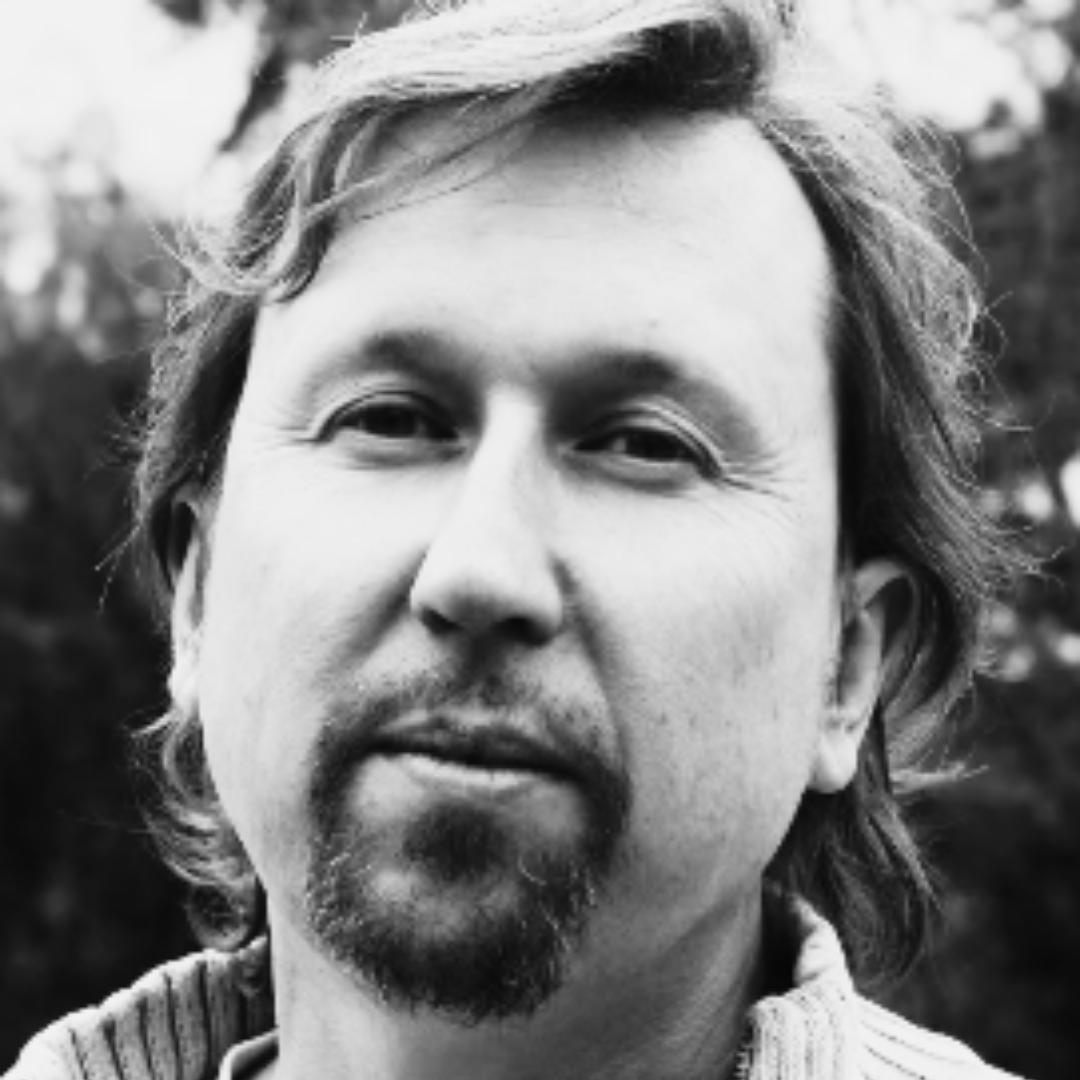
Frédéric Baudin is a French astrophysicist who began his career with a thesis in plasma physics at the Université Paris-Sud, focusing on the seismology of the Sun. After several years abroad (Spain, United States), he returned to France to study the magnetic activity of the Sun and stars at the Institut d'Astrophysique Spatiale. His work, supported by space missions such as SoHO and CoRoT, highlights a collaborative approach to research. At the same time, he manages the COROT mission data archive and is involved in teaching and various scientific advisory boards.
Tim Schneider trained in high-energy physics and holds a doctorate in radiotherapy and hadrontherapy. Having moved into the field of art-science, his research at the Université Paris-Saclay now focuses on immersive installations in open spaces and on the study of new approaches to systems for tracking people and movements. He is also a member of the Le sas collective, where he works mainly on the creation and development of interactive digital artworks and experiences.
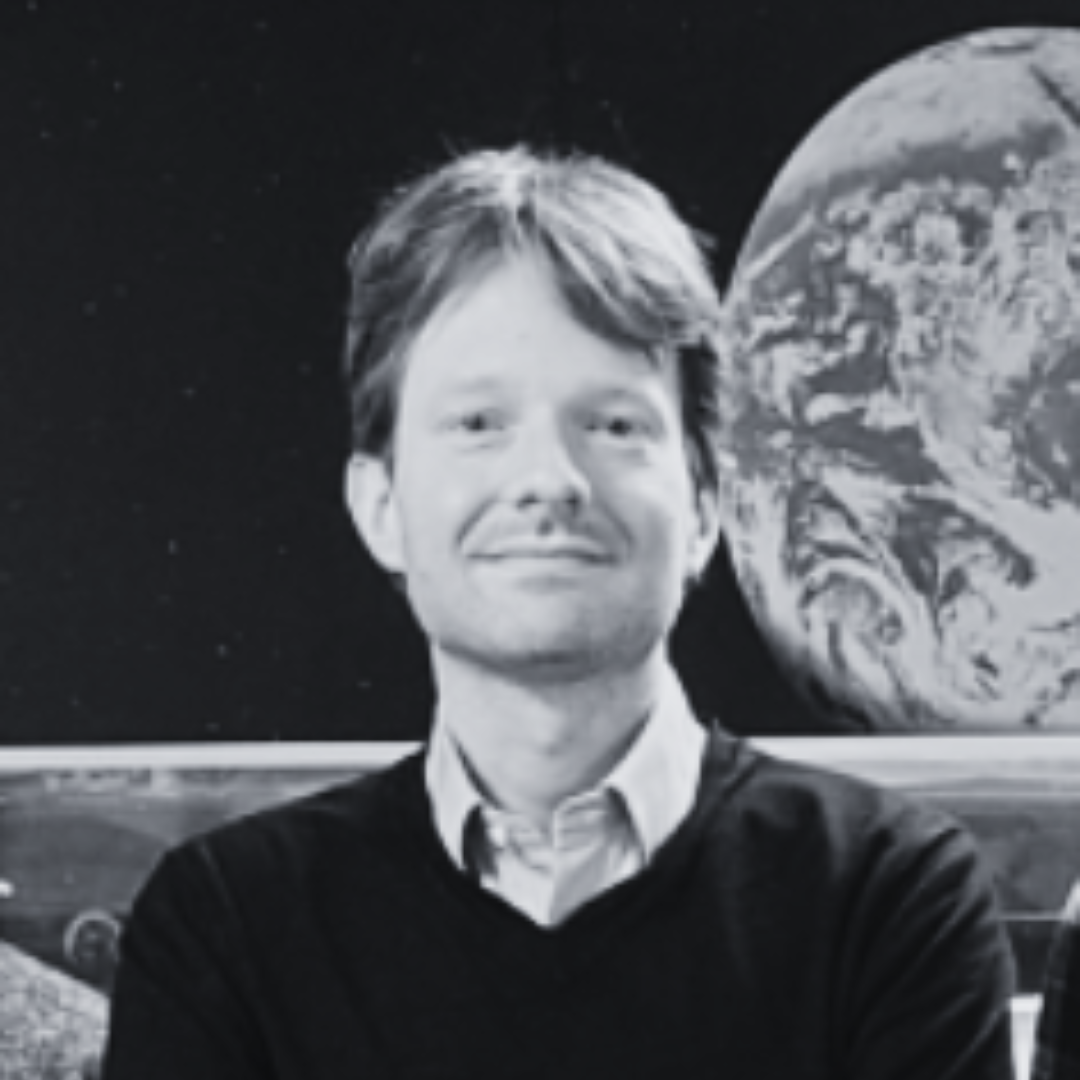
Mathieu Vincendon, a lecturer at the University of Paris-Saclay and affiliated to the IAS Orsay, studies the satellite systems of giant planets, in particular the icy moons of Jupiter, brought to light by the JUICE mission. His research focuses on exploring the potential habitability of these satellites and understanding the Jovian mini-planetary system. He has also developed a Monte-Carlo model to analyse radiative transfer in the Martian atmosphere, making it possible to characterise aerosols and surface mineralogy. His interdisciplinary work offers new perspectives on the evolution and climatic processes of planetary environments.
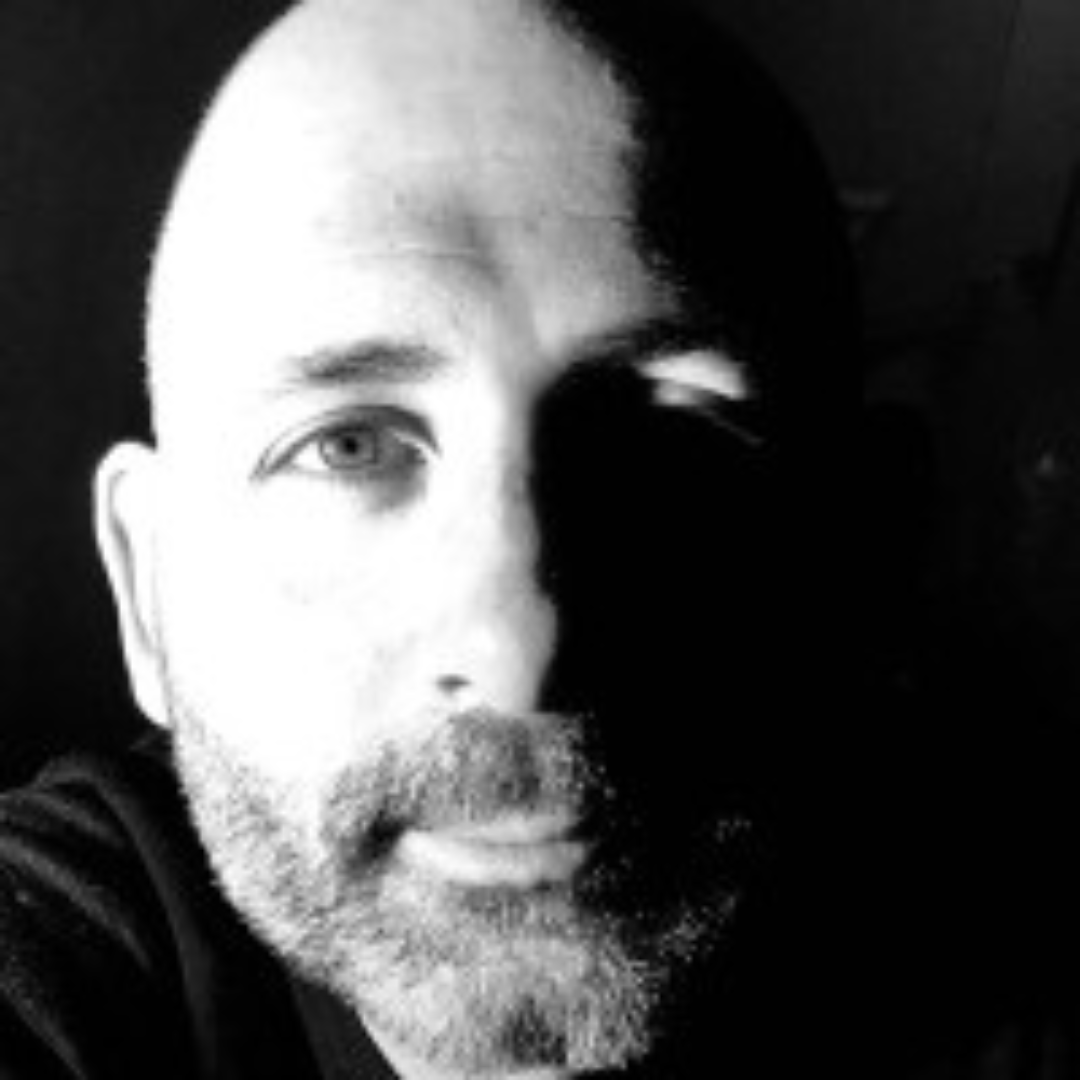
Filippo Fabbri, a lecturer at Université Paris-Saclay since 2010, is an engineer, physicist, pianist and composer. His research lies at the intersection of nanoscience and sound-art, with a particular interest in intelligent materials, adaptive acoustics and immersive technologies. He designs sound worlds for cinema, theatre and art installations, exploring the relationship between sound, space and perception. At the same time, he runs professional training courses in sound and image techniques, and founded the STAR studio at the Cachan IUT. His creations, presented in France and abroad, bear witness to an innovative approach combining science and art.
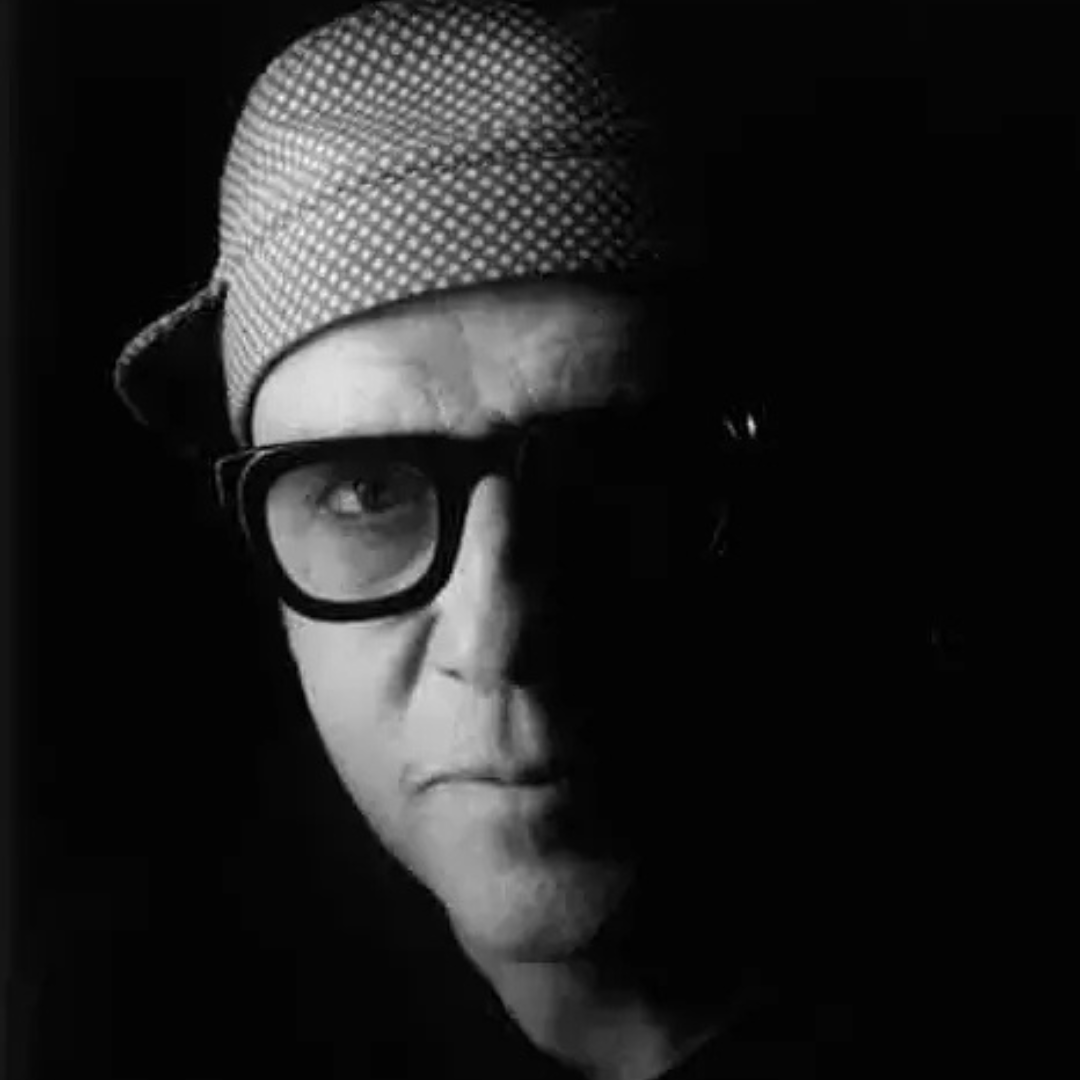
Laurent Karst is an architect-designer who graduated from the Strasbourg School of Architecture and the Domus Academy in Milan, and was awarded the Villa Medici prize in 1995 for research into the use of industrial waste. He worked in international agencies, notably alongside Jean Nouvel, before founding Atelier 16 in 2006, specialising in small-scale architecture and design using raw materials. Co-founder of the Labofactory collective, he is developing a multi-disciplinary approach linking art and science. As a teacher and researcher, he initiates collaborative projects and runs a graduate programme on ‘art, science and the anthropocene’ at the University of Burgundy.

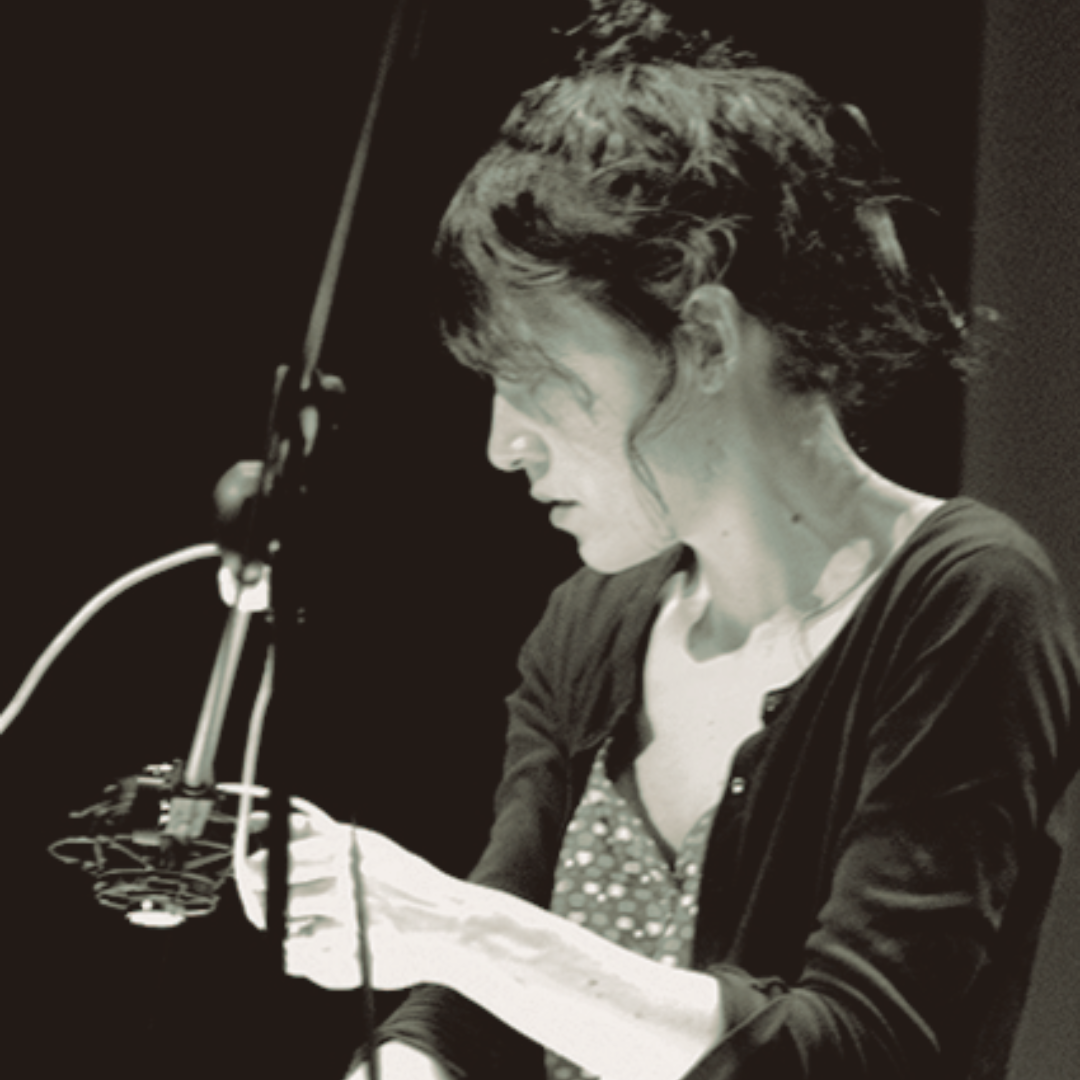
Nathalie Guimbretière is a researcher and visual artist whose work explores the new links between art, design and science. Her protean devices (films, video games, installations and performances) explore the aesthetic and critical relationships induced by digital technologies. Her research focuses in particular on aesthetics, the politics of movement and the poetic activation of real-time creative tools. Committed to the international scene, she also shares her expertise through workshops and teaching in renowned institutions.
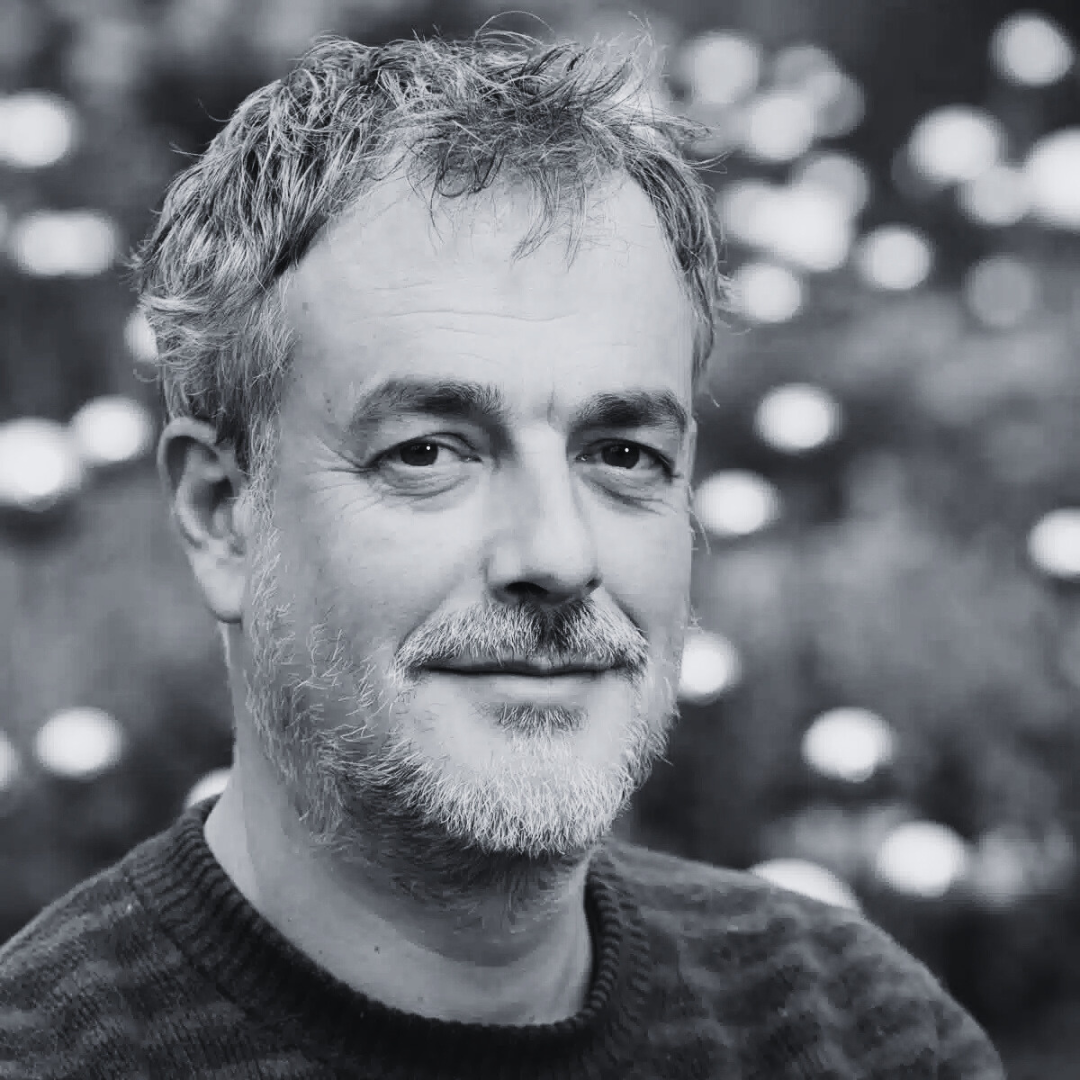
Christian Delécluse sees artistic creation as a praxis that integrates sensibility and reason, transcending traditional dualism. Fascinated by the co-evolution between humans and their tools, he invents ‘sensitive machines’ that take viewers back to their own subjectivity and invite us to transform our representations of the world. His approach, both political and subversive, seeks to transcend the boundaries of thought by creating an unprecedented synchronicity between art, science and the sacred. In works such as ‘Hic Sunt Dracones’, he explores the tension between gravity and freedom, offering multi-sensory experiences that re-interrogate our relationship with nature and structures of domination.
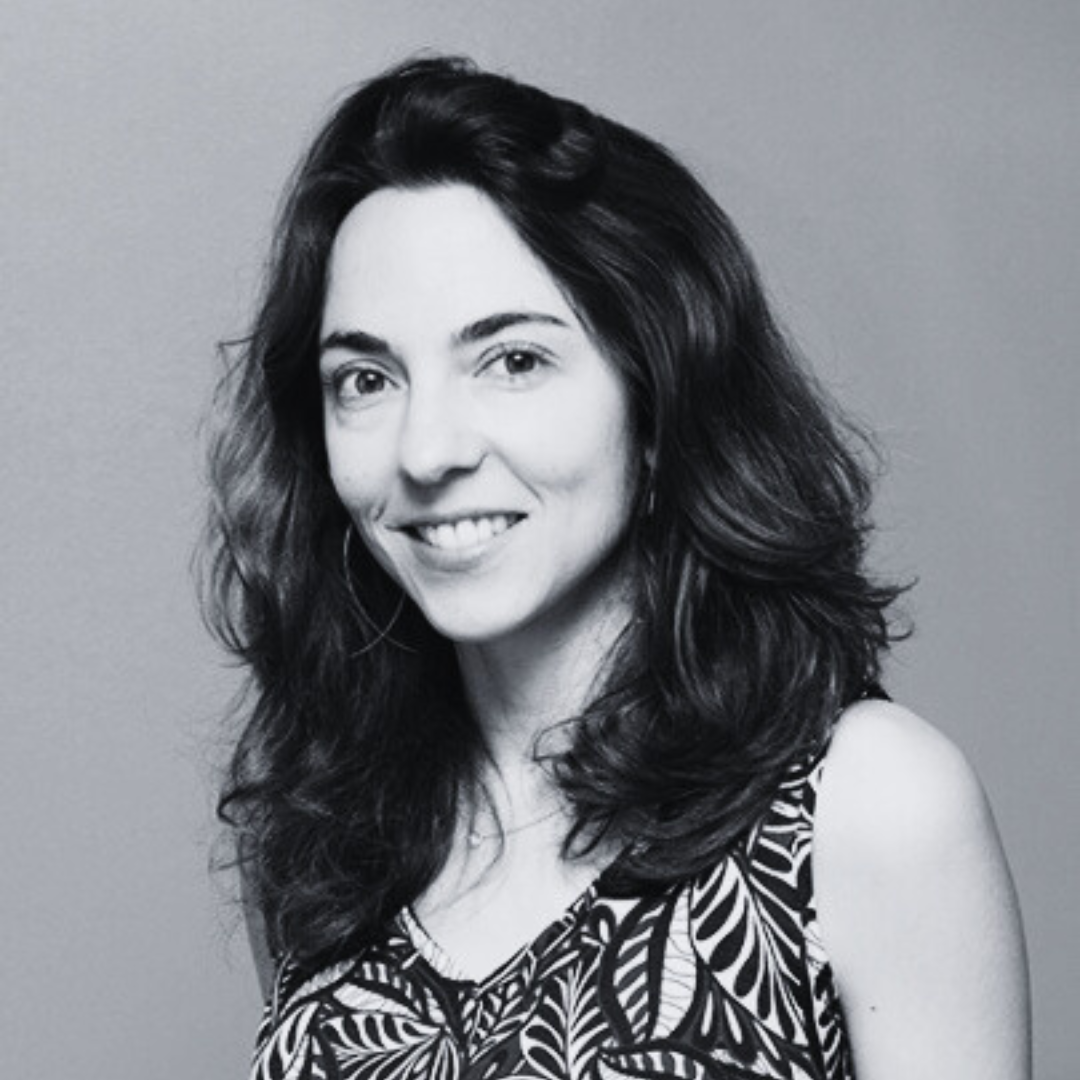
Alice Le Gall is a lecturer and researcher in planetology at the University of Versailles Saint-Quentin-en-Yvelines, specialising in the study of the surfaces and subsurfaces of the solar system. Trained in engineering and astrophysics, she wrote her thesis on the subsurface of Mars and did a post-doctorate at JPL, taking part in emblematic missions such as Huygens, Cassini and Rosetta. Her work, focused on the electromagnetic exploration of planetary worlds, also contributes to future projects such as ExoMars. Winner of the CNRS bronze medal in 2018, she is a member of the Institut Universitaire de France and co-author of an award-winning book in 2023.
Caroline Freissinet is a CNRS research fellow specialising in planetary sciences and astrochemistry at LATMOS in Guyancourt. Passionate about the search for extraterrestrial life from the outset, she wrote her thesis on the detection of organic molecules on Mars and did a post-doctorate at NASA Goddard Space Flight Center. Her work, which combines laboratory analysis and exploitation of space probe data, aims to understand the distribution of organic matter in the solar system. She is making an active contribution to the MSL, ExoMars and Dragonfly missions and is studying similar terrestrial sites to calibrate her instruments.
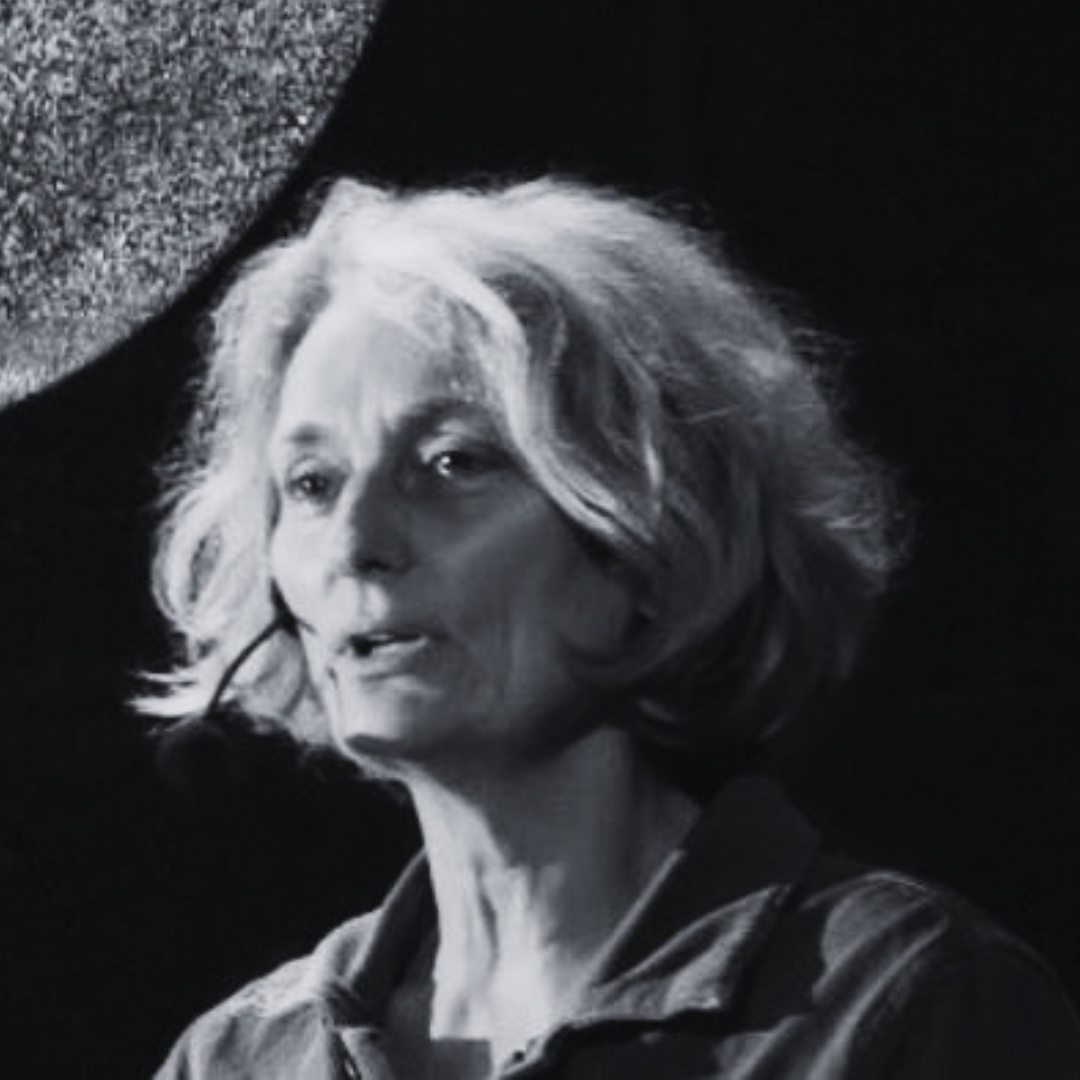
Valérie Ciarletti is a professor at UVSQ and Deputy Director of LATMOS, specialising in electromagnetism applied to probing planetary subsoils. A graduate of the École Centrale Paris, she has spent more than 20 years modelling and processing radar data to reveal buried structures on Mars and other bodies in the solar system. As scientific manager of the WISDOM radar, she plays a key role in the ExoMars mission to explore the Martian subsurface. Involved in cooperation with CNES and other agencies, she is actively contributing to advances in space exploration.
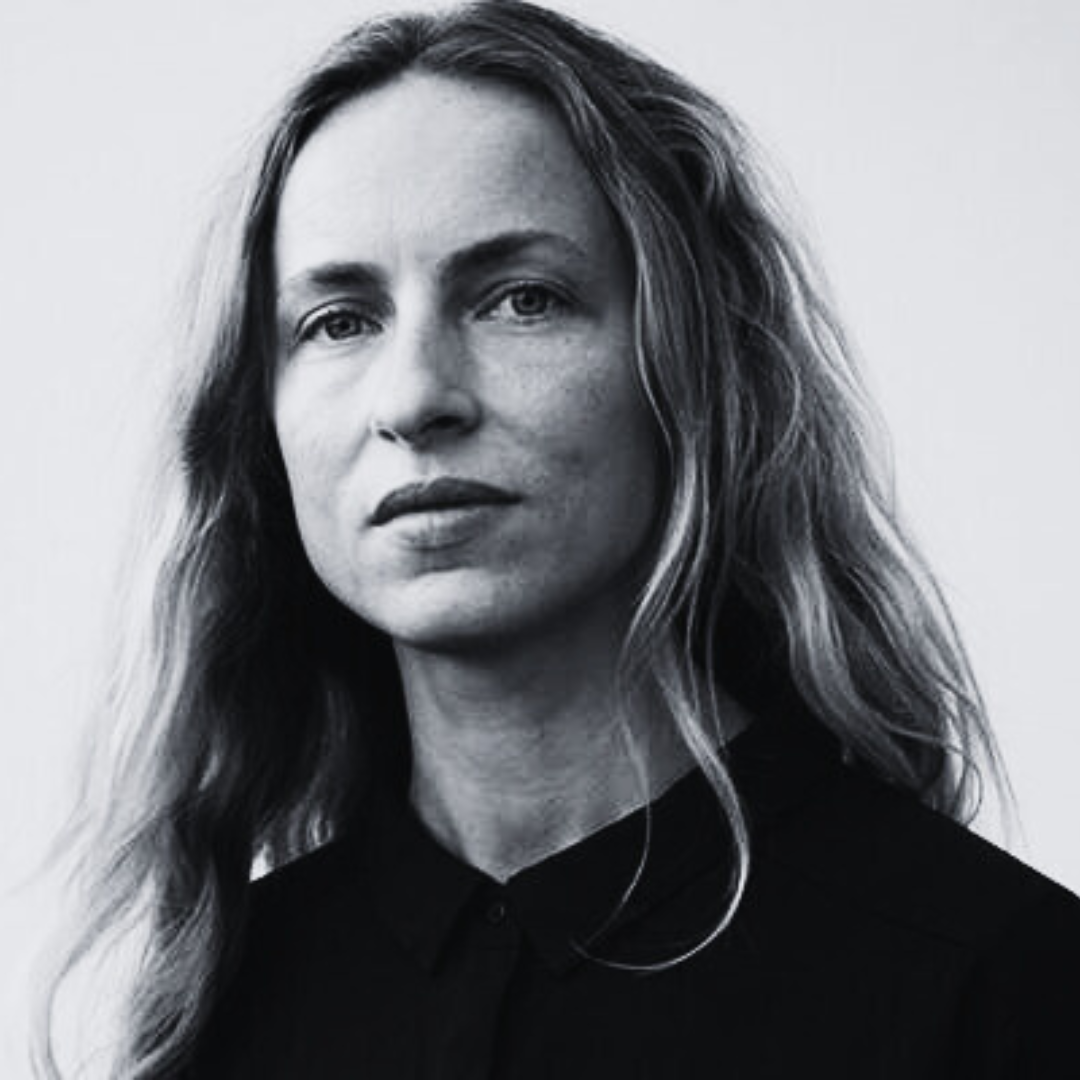
Félicie d'Estienne d'Orves is a visual artist born in Athens in 1979 and based in Paris, who explores the relativity of time and space through light, used both as a tool and as a subject to create installations combining projections, lasers, sound and smoke, thus questioning physical and cosmological limits. Winner of the Fondation Vasarely prize in 2019, her works have been presented in prestigious venues such as the Centre Pompidou and at international events. Collaborating with astrophysicists and perception specialists, she fuses art, science and land art to offer immersive and poetic experiences, opening up new perspectives on our understanding of the universe.